Keystone’s new $300 million development is opening to the public in May after delays

Keystone’s new 366,000-square-foot residential and commercial resort will open to the public on May 7.

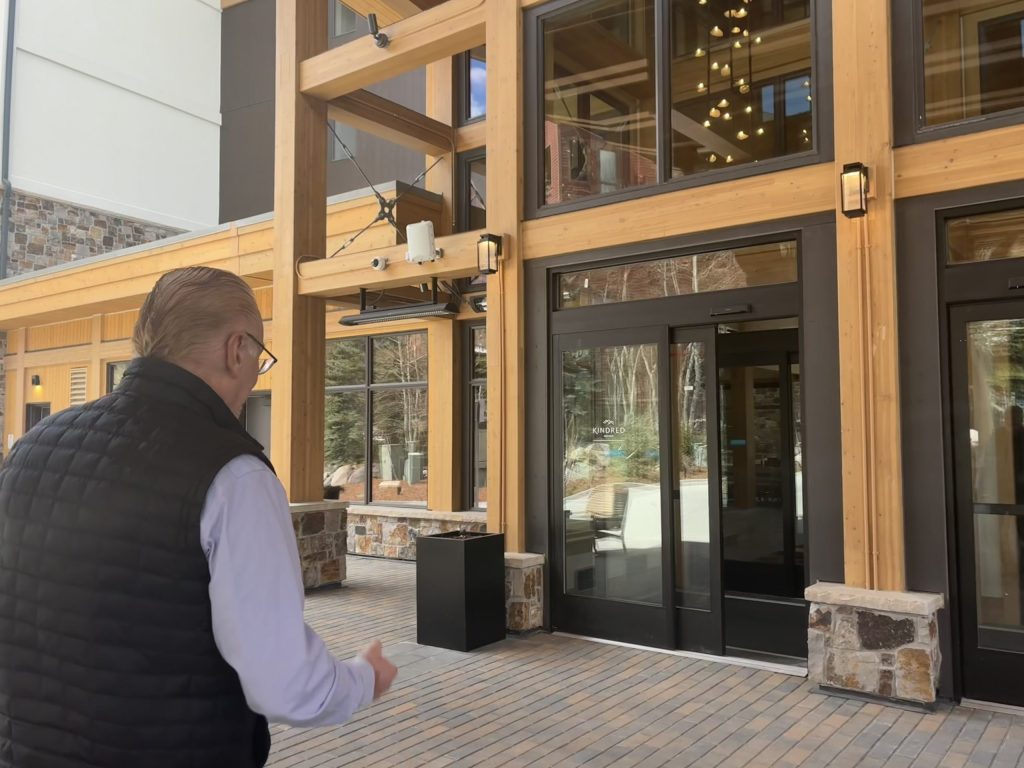
After years of planning, construction delays and mounting public anticipation, Kindred Resort is preparing to welcome its first guests at the base of the River Run Gondola in the coming weeks. General Manager Dan Dohner described the development as a “campfire luxury” experience designed to feel both elevated and inviting. 

“It’s the first luxury hotel in Summit County, as in full-service. Nobody has done it,” Dohner said. “In the first winter going into it, we’re seeing no resistance to having a luxury resort in Keystone. It’s a family resort town, but families also want this.” 

While the resort’s first two weekends are already booked with wedding groups that reserved their stays a year in advance, Dohner said the management team is intentionally limiting reservations prior to May 7 to ensure a smooth debut.

“We want to just make sure that all the buttons are tested and everything is in place,” he said. 

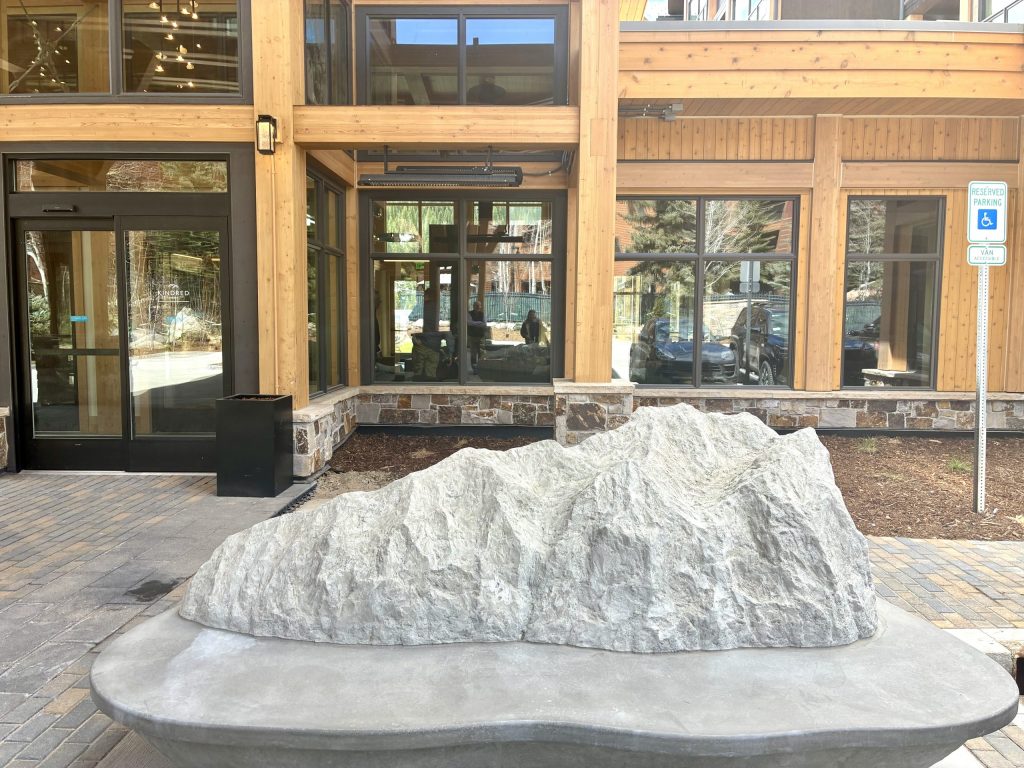
Dohner said Kindred was designed to draw people in rather than keep them out. Much of the resort will be open and accessible to the broader public, including an expansive patio, three restaurants and a bar in the lobby. The location at the foot of Dercum Mountain — home base for Keystone Resort — provides prime real estate for Kindred. Dohner said the resort will likely become a major hub for locals, out-of-town skiers and hotel guests alike. 

“It’s designed for skiers to come off the mountain — not just for guests — to come up and enjoy this area,” Dohner said while standing between firepits and yard games on the main patio. “It’s for everyone.” 

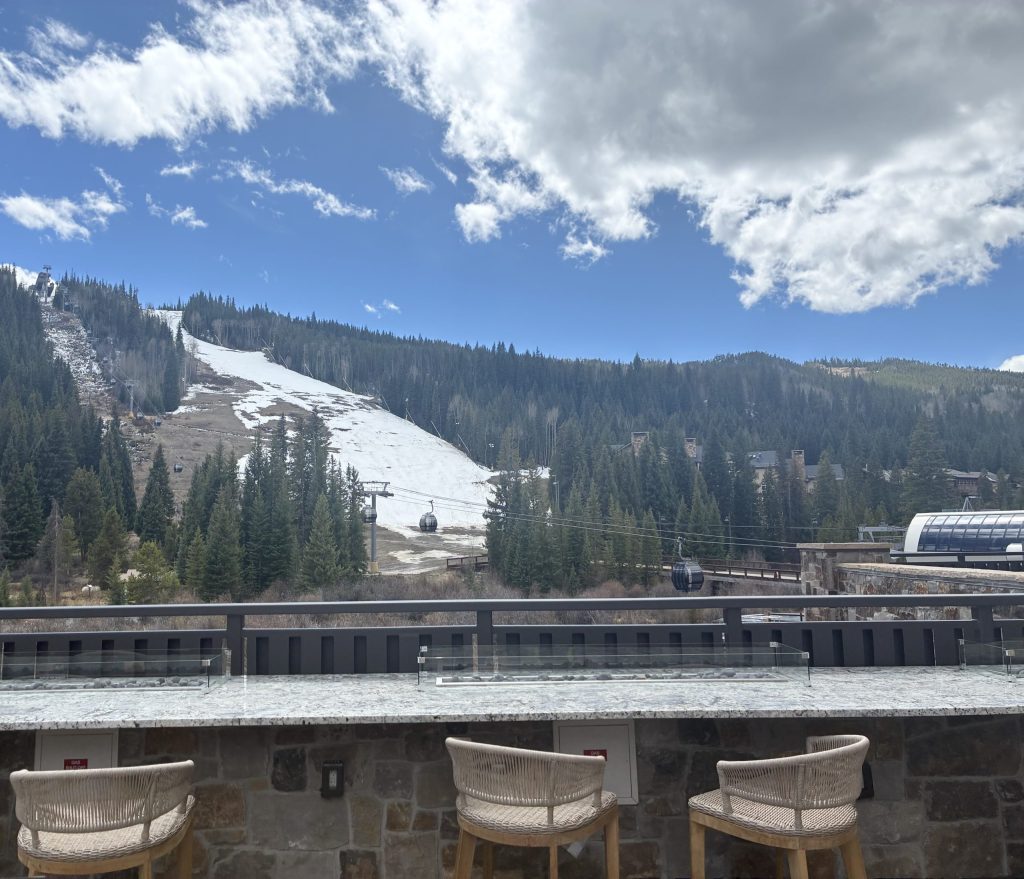
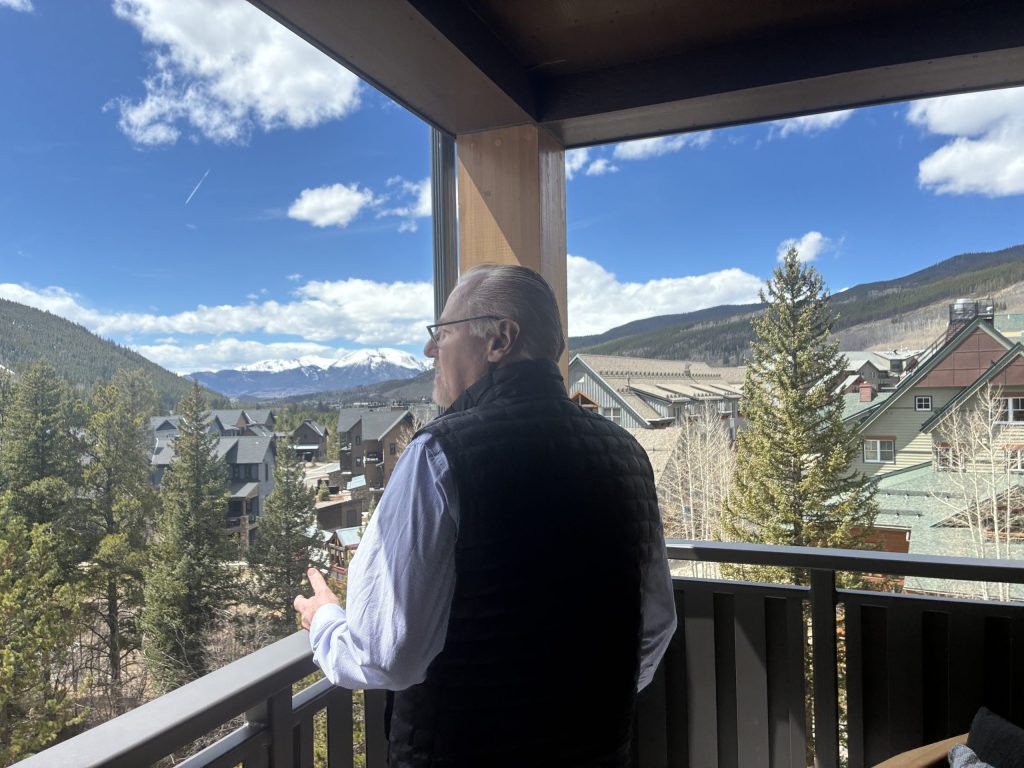
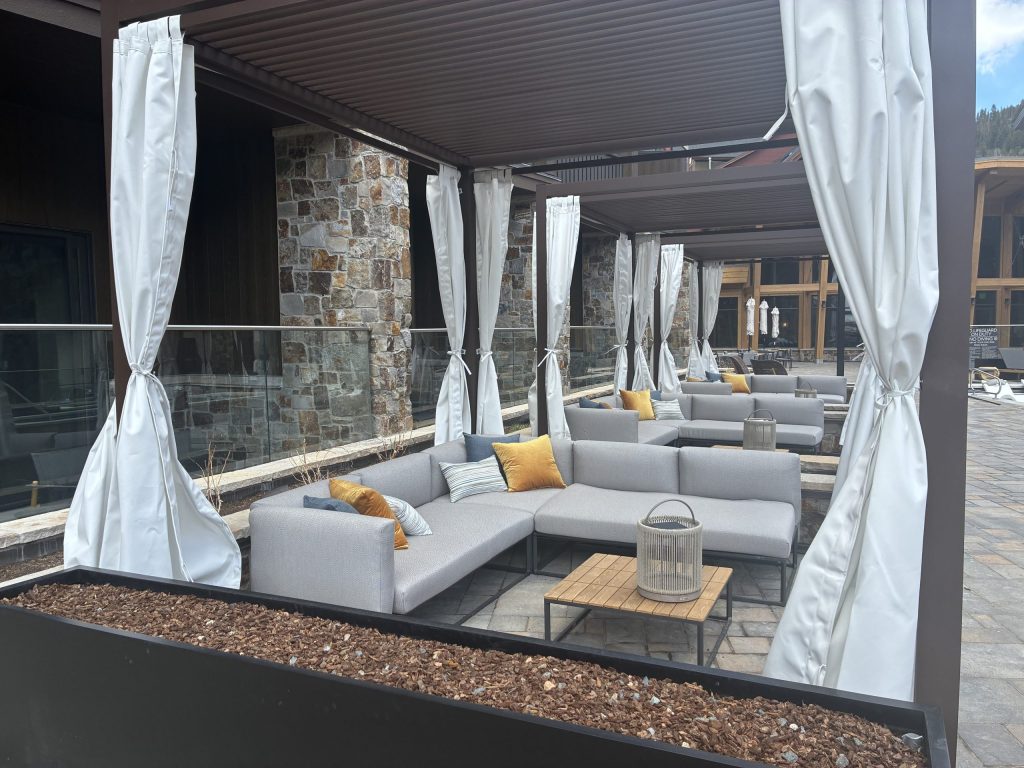
A sprawling patio just steps from the gondola sits at the center of the resort, accessible through the main lobby or via a “grand staircase” rising from the base area. Already, the space features nearly a dozen fire pits, lawn games like cornhole and jumbo chess and sweeping views of the surrounding mountains, wetlands and the Snake River. 

Just over the last week, the patio has already been put to public use. 

“Since we dropped the fences a week ago, there’s been a constant stream of people up here playing the games,” Dohner said.

Plans call for additional amenities, including a mobile bar, upscale s’mores fixings and occasional live music — further positioning the patio as an apres-ski and summer social space. 

The resort’s bar and three restaurants will also be open year-round to the public, an opportunity Dohner said is both unusual and important for the local economy, which has historically relied on ski season to generate sales tax revenue. 

Among the restaurants on site is Lula’s, built on the former homesite of Lula Myers, a well-known local teacher in the early 1900s remembered for her hospitality and culinary talent. The resort will also house Goodz Tavern, Kinji Sushi and a bar called Kindred Spirits.

“We are really set to be the center of Keystone, and we believe that we’ll help drive more activity,” Dohner said. “Absolutely nothing like this has happened in the area, like, ever.”

Dan Dohner, general manager at Kindred Resort, stands atop the “grand staircase” that leads skiers and guests straight from the River Run Gondola to the resort’s public patio. The resort officially opens to the public on May 7.
Allison Moore/Summit Daily News

Kindred staff aiming to deliver five-star service at four-star hotel

Inside, Kindred leans heavily into what Dohner calls a storytelling-driven design philosophy. 

“The developers put a lot of intention into the whole design,” he said. “When they walk in, we want them to have that ‘wow’ moment.” 

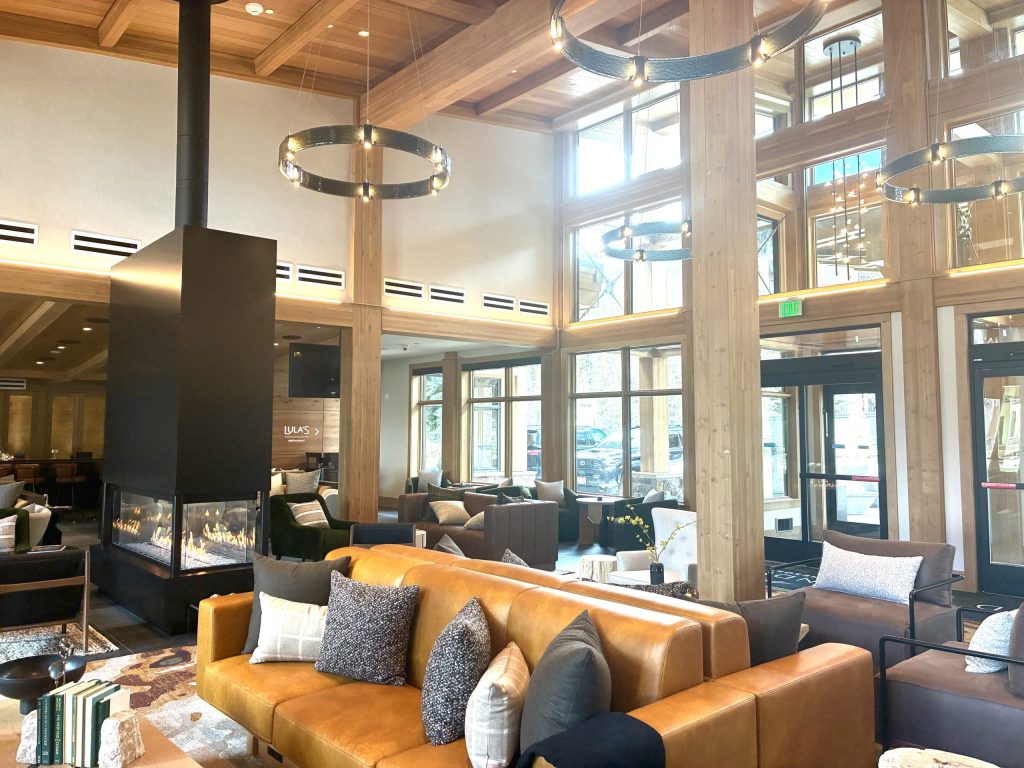
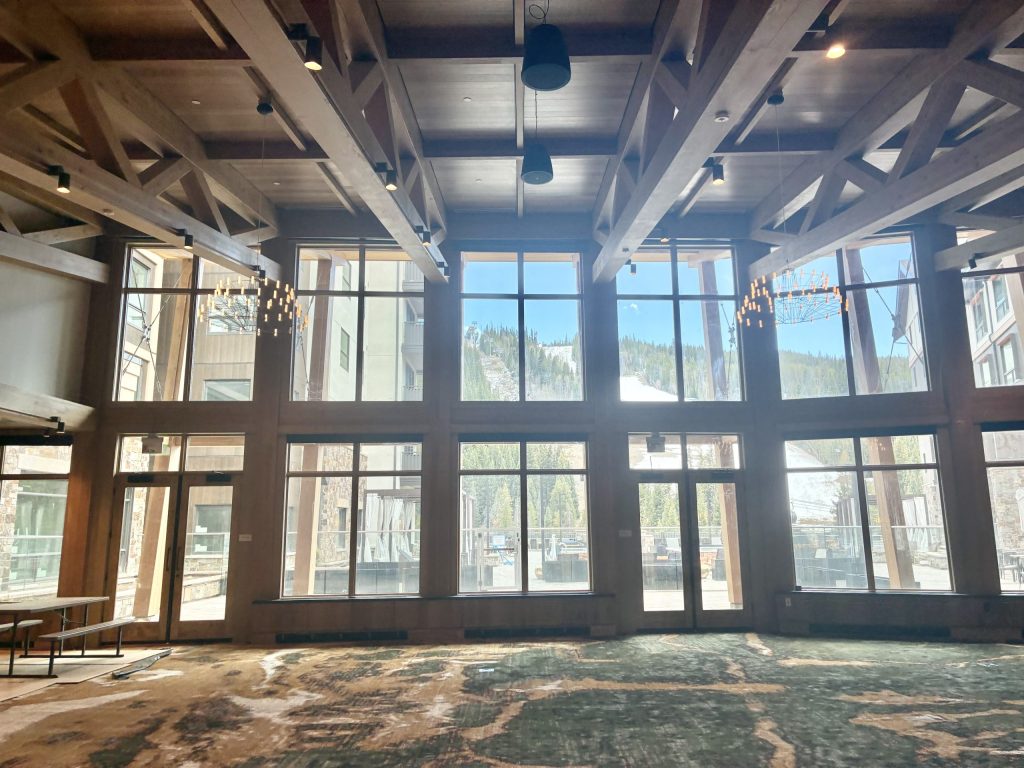
Guests entering the lobby are greeted by high wood-paneled ceilings, cozy seating areas and carpeting designed to resemble a topographical map of Keystone. A wall lined with windows opens to views of the patio, ski trails and surrounding wildlife. Metal and wood touches throughout the property are meant to resemble the feel of old mining towns — “well, a really fancy mine,” Dohner said.

Three 52-foot-tall towers comprising the resort — two for condos and one for the hotel — are intended to mimic the three mountain peaks featured in the Kindred logo. 

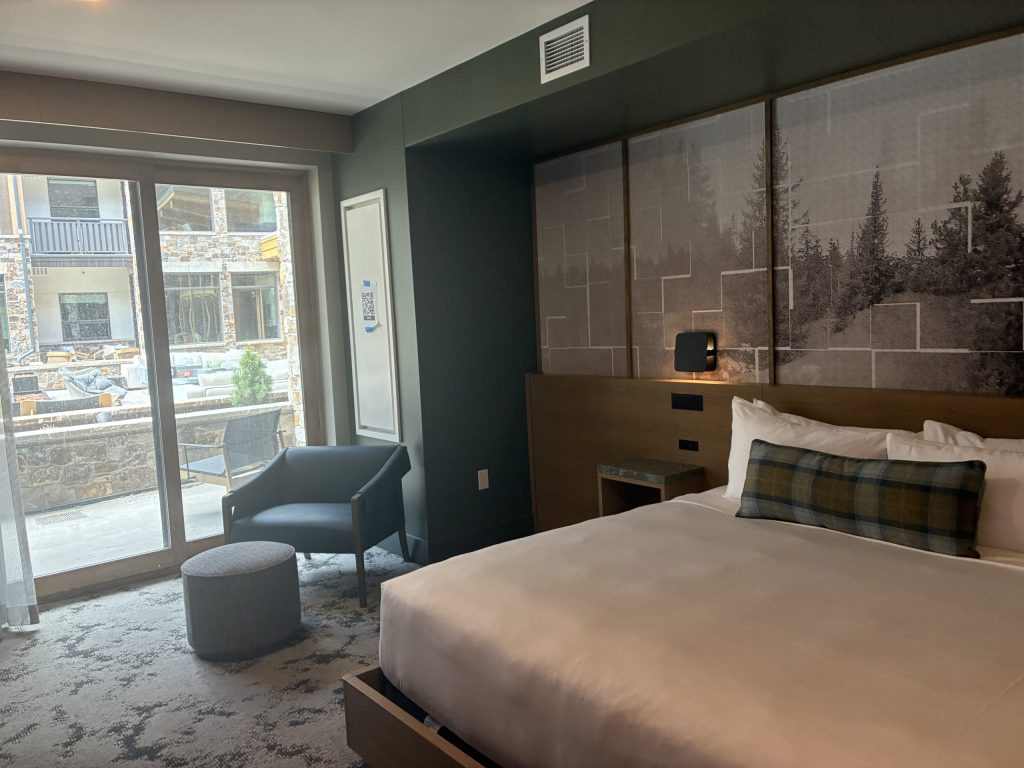
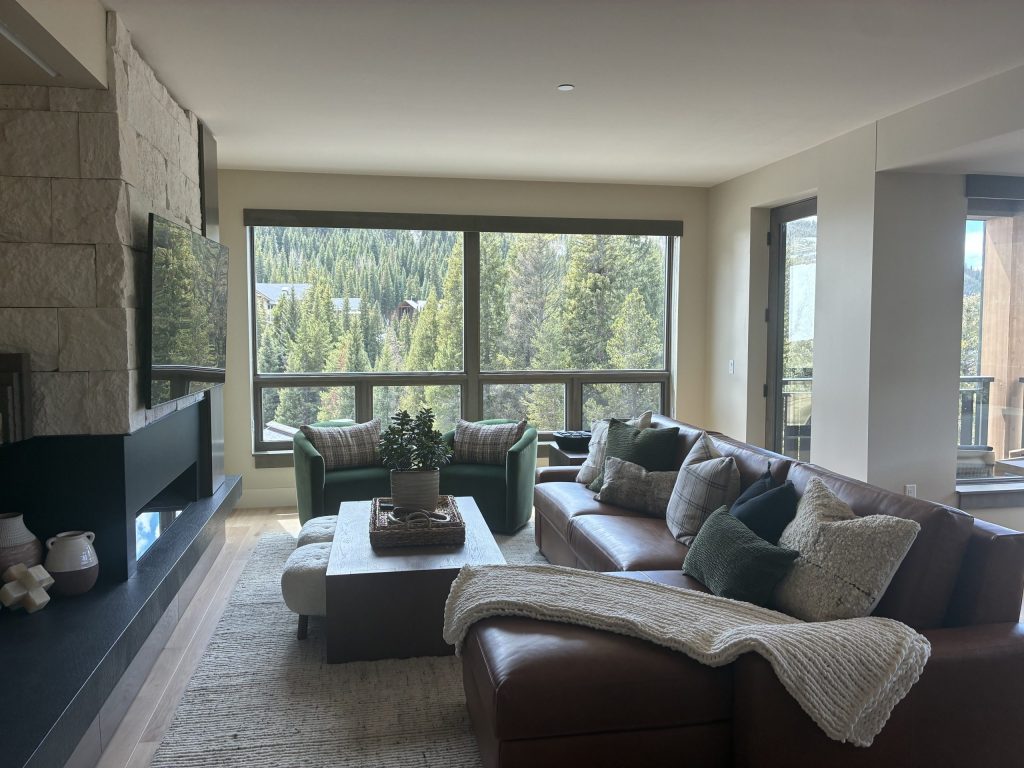
At full operation, the resort will book out 107 hotel rooms managed by RockResorts, 95 private residences, a membership-only Alpine club, a spa and salon, fitness center and over 10,000 square feet of meeting and event space. 

Dohner referred to the property as a “four-and-a-half-star hotel.” He said while Kindred is technically classified as a four-star resort based on its services, it intends to function like a five-star hotel. 

The resort already employs around 100 staff members and Dohner expects that to grow to around 140 when fully operational. 

“We’ve got a really good team here, and we’ve really had time to refine our staffing so that when guests are here we’re more than prepared,” Dohner said. 

Delayed opening tied to environmental factors, finishing design touches

Kindred’s official opening date comes months later than initially planned, following a series of delays that pushed its debut from summer 2025 to winter, and now to spring 2026. 

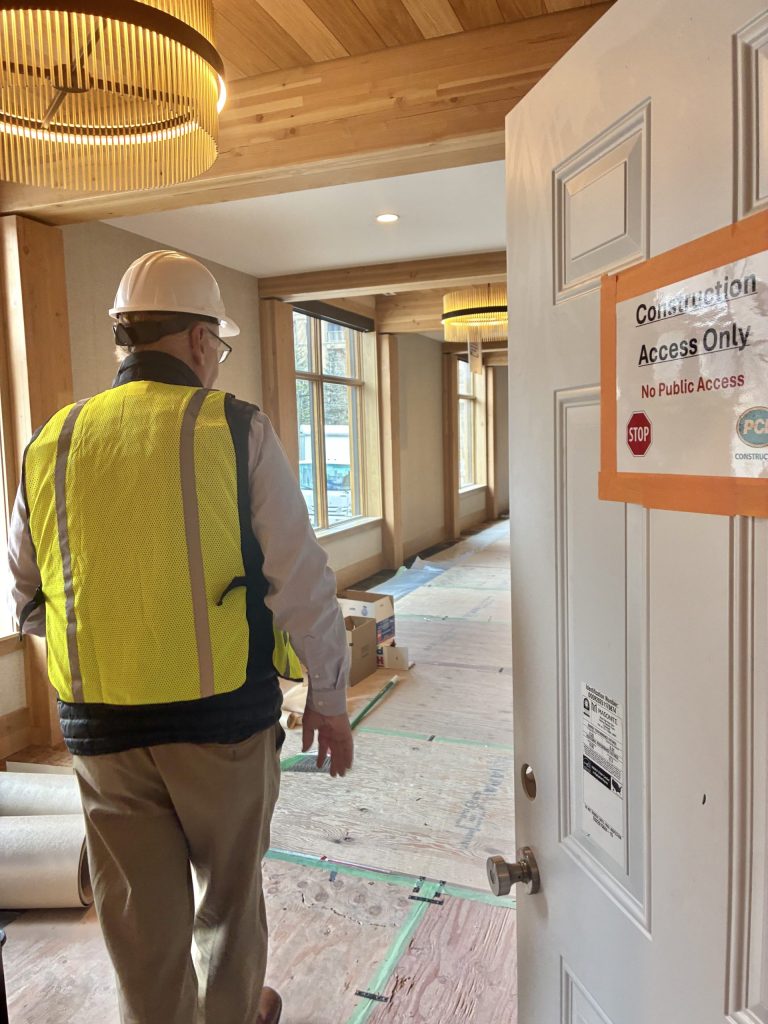
Dohner said those delays were driven largely by a desire to meet high standards rather than rush to open. Pointing to minor imperfections still being addressed during a recent tour of the property with Summit Daily News — like small chips in the paint down the first-floor hallways — Dohner said the team opted to take extra time. 

“In a normal hotel, that would probably be acceptable, but we wanted it just right,” he said. 

Construction challenges were also amplified by the resort’s high-Alpine location.

“When you’re building at 9,000 feet, things come up,” Dohner added.

The resort has gone through more than four developers since the land was acquired nearly 14 years ago. OZ Architecture, Kindred’s current developer, has remained with the project since 2024. 

Despite the delays, Dohner said the project continues to generate strong demand. All but seven of the resort’s 95 residences have already been sold and early interest in bookings has been steady. Once the restaurants open, Dohner said he expects reservations to flood in.

The roughly $300 million development transformed what was once a dirt parking lot into what Dohner imagines as Keystone’s next central gathering space. The resort is opening almost three years after residents voted to approve the incorporation of Keystone as a home-rule town. 

In the coming months, the resort will announce “sneak peek” opportunities for residents to view the amenities inside.

Housing lottery opening for first 19 units at Runway Neighborhood on Airport Road next month

The first 19 units in Breckenridge’s “last” large-scale workforce housing neighborhood development will soon be up for grabs via the county’s lottery system. 

Summit Combined Housing Authority will open the lottery for the first 19 homes in the burgeoning Runway Neighborhood development from May 11-15, marking a key milestone in a multi-year buildout that is expected to deliver 81 workforce housing units by the end of 2028. 

“This is the last big parcel that’s owned by the town of Breck and designated for workforce housing,” said Laurie Best, the town’s longtime housing director. “It’s an exciting time for the project and for the community.” 

An open house on Wednesday, April 29, from 4:30-6:30 p.m. at the Breckenridge Recreation Center will give prospective buyers a chance to learn about the homes, meet project partners and prepare for the application process ahead of the five-day lottery window.

Summit Combined Housing Authority runs the lottery and expects to release initial results by May 19, Best said. Those who receive high lottery numbers will then move on to a more comprehensive qualification process that requires applicants to submit employment and income information. 

Construction has been ongoing at the site off of Airport Road since August 2025. Best said crews have so far almost exclusively been working on underlying utility infrastructure like expanding water and sewer lines and paving roads. Actual homebuilding will ramp up this summer, with the first foundation slated to go up within the next month. Best said the first home could be “finished and ready for occupancy” by late December or early January if continued construction and the lottery process proceeds smoothly. 

The Runway Neighborhood sits near the town’s other recent workforce housing development, Blue 52, north of the River Park area and represents the final neighborhood to be built on usable town-owned land. Best said the town has owned the 24-acre parcel for nearly 25 years.

“Runways is kind of just the build-out of that property that was acquired a long time ago,” Best said. 

While the town is essentially “built out” in terms of developing larger neighborhoods to increase housing stock, Best said town leaders remain dedicated to finding future areas, albeit smaller, to build more diverse housing options for working Summit County residents. 

“It’s a high priority for council to figure out how we can provide opportunities for people to live in the community where they work,” she said. 

Best referred to the upcoming 19 units at Runway as “the first phase of the first phase” of housing construction. The entirety of the first phase, for which the town has pledged $34 million, entails 81 individual housing units. Best said those 81 homes will be built and sold in a series of four phases. Town officials have also discussed a future second phase of construction that would include an additional 67 units, but no decisions have been made yet. 

All units will be reserved for people who maintain employment in Summit County. Most units will also come with income caps to prevent higher earners from competing for some of the town’s most subsidized units.

“They’re not intended to be for remote workers or people that need a ski house,” Best said. 

The town partnered with Neighborhood Crafters, a Frisco-based developer led by Suzanne Allen Sabo, to develop the site. Sabo will be present at the open house on April 29.

In keeping with the town’s objective to provide diverse housing options for working residents, the first batch of 19 homes at Runway offers a range of options:

  • Six two-bedroom townhomes
  • Four three-bedroom townhomes
  • Two duplex units
  • One single-family cottage
  • Four three-bedroom single-family homes
  • Two four-bedroom single-family homes

Ratcheted down price points intended to cater to Summit County’s workforce

The town has framed the Runway Neighborhood as a major piece of Breckenridge’s long-term workforce housing strategy, with prices and eligibility requirements designed to prioritize the needs of low- to middle-income working families. Median home prices in Summit County sit over $2.2 million and continue to grow, outpacing salaries for many working families, according to the most recent market analysis from Land Title. Around 68% of the town’s housing stock is made up of second homes or vacation rentals, according to a countywide housing needs assessment completed in 2023. The study also found that around 60% of all renters, and 86% of Latino renters, spend over a third of their income on housing costs. 

Some townhomes in the Runway Neighborhood will start at $351,000 and larger homes with more bedrooms will reach around $800,000. Best predicts the number of residents entering the housing lottery will continue to increase as the development gains more traction. Over the next two years, Best said there will be another three lotteries open for the rest of the houses built in the first phase. 

“I know there most likely will be significantly more people interested in the units because of these price-points,” Best said. “We don’t want people panicking thinking this is their last chance to get into the lottery.” 

Best said units in the Runway Neighborhood will be some of the lowest-priced homes for sale in Breckenridge. 

“They’re our most affordable and deeply subsidized (properties),” Best said. “To get prices down to $351,000, that requires a lot of public investment.”

Best said the town has committed to spending $24 million on public utility infrastructure at the site. Town workers will later maintain the roads, water lines and other utilities in and around the neighborhood. Another $10 million will help close the gap between construction costs and attainable sales prices, while the developer covers all costs associated with building the homes. Best said around $5 million in state grants will further offset expenses. 

“The town’s super fortunate because we do have a designated housing fund,” Best said. “A lot of communities that are struggling with workforce housing don’t have a local funding stream, and up here in the High Country where the cost of construction is so expensive, it’d be impossible to do any workforce projects without local funds.” 

The town’s housing fund draws from a voter-approved sales tax adopted in 2006, which Best said generates around $7 million annually, coupled with short-term rental fees approved by voters in 2016 that bring in roughly $6.5 million each year. 

Town aims to incentivize build-out of 20 ADUs

Best said the Runway project also includes long-term strategies that the town hopes will further expand housing supply. 

The developer agreed to install 20 almost-ready accessory dwelling unit spaces above garages at single-family homes, hoping to incentivize owners to complete the interior of the units to rent out to locals.

While Breckenridge Town Council members previously requested fully building out 10 of the 20 accessory dwelling units, Best said that has since changed: all 20 units will have shells for accessory dwelling units with unfinished interiors. 

“It’s basically ready for conversion to an ADU if the owner wants that,” Best said. “Ultimately it would be our goal that all of the 20 ADUs are eventually built out.”

Best noted that the town has partnered with Summit School District on the project and plans to offer a priority process for its employees — an effort aimed at helping more local educators find stable housing. Best said more details will be revealed at the open house April 29. The project developer, representatives from Summit Combined Housing Authority and the school district will also be present. 

Before then, Best said, “The message for people right now is: if you think you are interested in buying, the very, very first thing you need to do is talk to a realtor and talk to a lender.”

Spring housing market off to a slow start for mountain-town listings as winter slump lingers

Still recovering from a lackluster winter for snowfall and tourism, home listings across ski town housing markets are off to a slow start during one of the year’s most critical selling seasons.

Spring is notorious for being one of the busiest seasons for home listings, largely driven by an increase in buyer demand. As snow begins to melt off homes and owners move their units from the winter rental market to the seller market, the season can often act as the perfect intersection between an increase in listings and a summoning of potential buyers looking to close the deal on a new home before a lengthy summer vacation or the start of school in the fall.

“Late spring is a popular time for bringing homes on the market in Routt County as buyers often want to see what the property looks like without snow on the ground,” Marci Valicenti, broker associate with The Group Real Estate in Steamboat Springs, said in an email. “Multi-family properties come on the market at all times of the year, but owners of ski-properties will often wait until after ski season to list after capitalizing on the winter rentals.”

On top of buyers having more listings to choose from and sunny views of the homes — which can matter a lot when the price tag is in the upper hundreds of thousands — Strategic sellers can also benefit financially during the spring market. Homes listed around late May and early June have been shown to sell for 2% more, according to an analysis published by national real estate company Zillow.

Following a slower winter market, rising economic uncertainty and spiking mortgage rates, however, real estate agents say this year’s spring market could face more uncertainty.

Colorado approaches a balancing market

In its monthly Market Trends Housing Report, the Colorado Association of Realtors reported the state is seeing steady sales, stable pricing and rising inventory — a common indicator that the spring season is in full swing.

Statewide, March brought roughly 12,800 new listings, up 0.8% from the same time last year, and 9,540 pending sales, up 7.2%. Sold listings were just over 7,460, an increase of 2.7% from March 2025. The median sales price also saw modest improvements, falling just under 1% to $545,000.

These characteristics can be encouraging for aspiring homebuyers, who during the spring can sometimes find more opportunities for negotiation and concessions.

Active inventory for March 2026, however, is sitting slightly lower than what the state saw last year for both single-family homes and condos — down 1.6% for a total of 25,367 overall. This pushed months supply of inventory down 2.8% from a year ago to 3.5 months.

Ski markets recover from a challenging winter

Rural ski resort markets on Colorado’s Western Slope, however, show a slightly different picture thanks to an especially challenging winter season for the real estate market.

One glaring culprit is the record-low snowfall that fell across Colorado’s Western Slope, leading to lower tourism for several mountain resort destinations. Dana Cottrell, incoming president of Altitude Realtors in Summit County, said lower tourism can contribute to weaker buyer activity, since fewer eyes on available homes means less inquiries from aspiring homeowners.

Mike Budd, a real estate broker associate with Berkshire Hathaway HomeServices Colorado Properties, said in the report that the heightened uncertainty from reduced tourism has only added “one of the most dramatic and challenging periods” Vail’s housing market has experienced in the past 50 years.

“The snowpack and visitations were down significantly which impacted the economy and presents a major impact for the valley due to drought and significant shortfalls of reserves in the reservoirs moving into spring and summer months. The impact on small businesses could create significant failures,” Budd said. “Spring and summer markets are a difficult situation to forecast at this point.”

Although Vail’s closed and pending sales all saw increases compared to last spring, new listings in March are down 4.2% from last year, with fewer people putting homes on the market during the first month of spring. Still, overall inventory of active listings remains 6.9% higher than March 2025.

In Steamboat Springs, new first-quarter listings for single and multi-family homes are down roughly 20% compared to the first quarter of 2025. April so far has seen 15 single-family homes come on the market in 15 days, lagging behind April 2025’s inventory of 52 homes, Valicenti said.

Active inventory for March looked slightly better, with 54 single-family homes at the end of March 2025 compared to 68 in 2026.

Buyer activity typically peaks during the summer months in Routt County, Valicenti explained. A lackluster season in 2025, however, caused summer activity to emerge late in the year — which could happen again in mountain towns.

“With 2026 already seeing unconventional weather patterns, it remains to be seen if real estate activity will follow its traditional seasonal cycle and peak this summer,” Valicenti said.

Some markets, like Aspen, have two “high seasons” for inventory, mainly spring and fall. Currently in a shoulder season, April and May mark months where “property owners get energized to move into the market and make their moves,” according to Brenda Wild, Aspen broker and owner of Berkshire Hathaway HomeServices.

This year, however, has presented an anomaly for the housing market. New residential listings in Aspen are down 28.4% from last year, a steeper dip compared to the 10.2% decrease from 2024 to 2025.

“Inventory tends to rise prior to the height of the summer and winter seasons to capture the resort/second home buyer,” Wild said in an email. “A steady decline for the past two years in spring listings is not normal for our market. It is reflecting some key factors in the national real estate market that are impacting and slowing down activity in listings.”

Homeowners with low interest rates, Wild said, might be more hesitant to let go of their current holding. Proposals to increase capital gains tax exemption thresholds have also pushed some property owners to hold off on selling for the time being.

Even with lower listings, Aspen buyers are staying active. Showings to pending sales are up 61.5% year-to-date compared to 2025, which was down 13.3% compared to 2024, Wild said.

Cottrell said she’s seen more residential listings pop up in Summit County heading into spring, though not as many as last year. New single-family home listings were down 11% for March compared to last year, or 3% for multi-family homes.

What has kept her optimistic about the market, she said, is the amount of interested buyers she’s heard from this early into spring.

“It’s like, ‘Wow, I had no idea that many people are out looking in April,'” Cottrell said. “I thought we were just going to trickle into the spring … but there are definitely people out there looking. Whether they’re actually buying, we’ll find out.”

She added that growing interest from buyers makes her hopeful that residential inventory could still see a boom during the warmer months, since inventory has consistently fallen under what was typical before the pandemic. 

“That’s very, very promising to me to see that, because that’s not always the case,” Cottrell said. “So I feel very optimistic for the spring. I feel like we’re going to start to see more inventory. … It’s just a matter of buyers being out there.”

What about home prices?

Median prices for single-family homes in Summit County have consistently gone down over the last three months, Cottrell said. Comparatively, condos and townhomes have held steady.

“That’s telling me that more people are buying lower-priced houses than the big, big expensive ones,” Cottrell said. “But it’s hard to say what’s going to happen because we are going to start to see more inventory.”

The average price for a single-family home in Summit County was down 3% year-over-year in March, falling to $2.59 million. Meanwhile, the average price for multi-family homes have gone up 9% to over $940,000.

In Vail, March’s average sales price for a home fell 3.7% from 2025, with modest gains in sales activity. Steamboat Springs has also seen declining single-family median prices, which fell 21.4% to $1.57 million over the same period.

Economic uncertainties dampen outlook

Economic uncertainties like rising mortgage could dampen the outlook for buyer activity.

The national average on a 30-year fixed-rate mortgage is 6.34% as of April 17, according to Bankrate. Despite reaching a four-week low, rates are considerably higher than they were in February, when they briefly fell below 6%.

Now, the Federal National Mortgage Association is predicting that mortgage rates will remain above 6% throughout 2026, contrary to its original forecast.

The Mortgage Bankers Association’s latest weekly survey said purchase applications were 7% below the same week a year earlier, according to Matthew Starr, the owner and managing broker of Astralis Real Estate in Rifle.

“Across much of the Western Slope, where financed first-home buyers are a meaningful part of the market, a move back into the mid-6% range matters,” Starr said in an email. “Buyers are likely to be more cautious, take longer to make decisions, focus more heavily on negotiation, and be less willing to stretch on their monthly payment.”

Higher rates usually don’t stop cash buyers or equity-rich buyers, Starr added, though they do make financed buyers more selective.

“In that environment, sellers can still benefit from the spring increase in inventory, but they have to price and position their properties more carefully. Most buyers are looking at the monthly payment first,” Starr said.

While the ongoing war in Iran is certainly fueling economic uncertainty and impacting prices for other goods like gasoline, it can’t be fully to blame for rising mortgage rates. Urban Institute’s February chartbook shows that the 30-year fixed rate had already reached 6.09% before the conflict began, made up of a 4.14% 10-year Treasury yield and a 1.95% mortgage spread.

“That indicates mortgage rates are being shaped by broader mortgage-market pricing, not just geopolitical headlines,” Starr said.

Starr continued: “The Iran conflict is better understood as a catalyst than a sole cause. It likely pushed energy prices and inflation expectations higher, but mortgage rates also reflect sticky inflation, a cautious Federal Reserve, and a bond market that is repricing risk.”

Cottrell said that, while mortgage rates are not often the most important factor behind deciding when to buy a home, it does impact how long they’re willing to wait on the sidelines.

“I do think there’s an element of people saying, ‘Oh, we don’t have 3% mortgages anymore.’ I feel like that was quite the psychological hoop to jump through, to be able to say, ‘All right, I’m in the sixes and that’s normal,” Cottrell said. “I have a bunch of people that I showed many houses to last summer, and they just couldn’t pull the trigger.”

Blue River sends reminder on ‘significant overhaul’ of short-term rental regulations

“Significant noncompliance issues” in the short-term rental community in Blue River prompted the town to remind folks of its policies passed in November 2025 that took effect in 2026.

A town newsletter explained the changes were a “significant overhaul” of regulations, and noncompliance could result in financial penalties or the suspension or revocation of short-term rental licenses.

All short-term rental properties in Blue River must have an active license, which cost $300 at the base level and increases by $300 per bedroom. For example, a four-bedroom rental would cost $1,500.

In 2027, the town will enforce a strict “one owner, one property” rule. Any individual cannot hold more than one license or interest in multiple licenses within town limits. Violations could result in revocation of all licenses for a period of 18 months.

All short-term rentals must include the town’s license number, proper occupancy limits and a statement of parking spaces available on the property, which cannot exceed five spaces, in their hosting platform’s listing, such as Airbnb or VRBO. The URL for all listings must be sent to the town.

The town also implemented occupancy limits that allow two guests per bedroom, plus two more additional guests. A two-bedroom unit would have a max occupancy of six guests, while a three-bedroom unit would allow eight guests.

All properties must also provide lodging tax reports and payments for the first quarter of 2026 and any delinquent payments from 2025. Hosting platforms don’t remit these taxes to the town.

Short-term rentals cannot have outdoor wood-burning fires of any kind on the property, and any outdoor fire activity must be limited to gas-powered appliances with an automatic shut-off timer.

The town is also requiring each property to post a specific notice on the entry door and counter of a primary kitchen that covers contact information, quiet hours, trash and recycling info, parking restrictions, fire restrictions, water conservation and any other information deemed necessary by the town.

Budget cuts will make building affordable homes in Colorado’s mountains even harder, housing advocates say

The challenges facing affordable housing developers in Colorado’s mountain towns are nothing new: Higher land and construction costs, shorter building seasons and a limited labor pool. 

Yet they’ve seen more projects take off in recent years, thanks in part to the hundreds of millions of dollars that state voters dedicated to affordable housing with the passage of Proposition 123 in 2022. 

Now, much of that funding is on the chopping block as lawmakers prepare to close a major spending gap. Housing advocates warn it will only exacerbate the already challenging conditions for building in the High Country, where market-rate home prices easily climb into the multimillions

“Proposition 123 was such an exciting new tool for all of us in the affordable housing field throughout the state of Colorado,” said Kimball Crangle, Colorado Market President for Gorman & Co., an affordable housing developer that operates in rural resort towns. “To have that now be jeopardized is gut-wrenching.” 

Lawmakers are on the cusp of passing the state’s 2026-27 fiscal year budget. Much of the budget debate has revolved around sweeping cuts that legislators say are needed to close a roughly $1.5 billion shortfall — the result of increased spending, rising program costs and revenue limits imposed under the Taxpayer’s Bill of Rights

Along with reducing department spending, cutting health care benefits and dipping into the state’s rainy day fund, budget writers are looking to siphon $130 million from Proposition 123 funding to the state’s general fund, which they’ve proposed as one of their “orbital” bills — pieces of legislation that run alongside the main budget bill. 

The plan would make good on a recommendation from Gov. Jared Polis, who pushed to redirect around $100 million in Proposition 123 to close a budget gap for the current fiscal year, which ends on June 30. But lawmakers who sit on the Joint Budget Committee, which crafts the state’s annual spending plan, decided to tack on an additional $20 million, which they say will also help shore up the state’s general fund for the 2026-27 fiscal year. 

Rep. Kyle Brown, D-Louisville, one of six lawmakers who sit on the budget committee, said cutting Proposition 123, which generates around $300 million annually, was not a decision budget writers wanted to make. 

But he defended the move as being in line with what the measure allows. The measure’s ballot language gave the legislature the ability to redirect some of its dollars to the state’s general fund during budgetary downturns. 

“I, too, am committed to making sure that we adhere to the voter intent of this particular proposition and that we are supporting affordable housing,” Brown said during a House committee hearing earlier this month. 

“The unfortunate thing about Prop. 123,” he continued, “is that it included no new revenue to the state, and because of that, it built in a specific mechanism for us to make transfers of this nature when the situation of the budget is as dire as it is today.”

Less funding ‘will translate into fewer units’ 

Even before the budget package’s passage, housing developers are feeling the effects. 

“As soon as sources start to look more vulnerable and have a lack of predictability, it makes developers question whether to even begin the entitlement process for development or not,” Crangle said. “That could create a gap and a larger chasm in the number of affordable housing units that are built over the near term.”

Gorman & Co. has utilized Proposition 123 funding for one of its projects, Wintergreen Ridge, which received $1.3 million in loans. The complex, located in Keystone, consists of 47 low-income rental units. 

While Gorman had been eyeing Proposition 123 for other projects, Crangle said it’s no longer being considered as a funding source. 

“We have put on hold projects that would have utilized Proposition 123 because we are not certain if that funding will be available or not,” Crangle said. 

The 47-unit Wintergreen Ridge housing complex is pictured under construction in Keystone on Oct. 4, 2023.
Robert Tann/Summit Daily News

The affordable housing fund has been a powerful tool for developers and local governments across the Western Slope. Examples of Proposition 123 funding in rural and resort areas include: 

  • $1.3 million for the Canyon Vista development in Glenwood Springs, an 80-unit project aimed at residents making 20% to 80% of the area’s median income
  • $2.5 million for the Summit at Granby project in Grand County, which consists of 67 units and is aimed at those making between 30% and 80% of the area’s median income
  • $2.7 million for the Meadows Apartments project in Craig, a planned 96-unit complex for low- and middle-income renters 
  • $5 million for the town of Frisco to purchase the land underneath a multistory building that officials plan to redevelop into a 52-unit workforce housing complex 

That funding came from Proposition 123’s concessionary debt loan program and land banking initiative, programs that primarily support the creation of new rental and for-sale units and are now being eyed for cuts in lawmakers’ budget plan.

“Less funding from Proposition 123 will translate into fewer units,” said Elyse Howard, vice president of community affairs and philanthropy for Habitat for Humanity Vail Valley, who also serves on Habitat’s statewide board. “I think there’s such a track record of success across the state that the funding was working. It’s unfortunate.”

Between 2019 and 2025, Habitat groups have doubled the statewide number of affordable for-sale homes from 65 units to 122, thanks in large part to a $25 million infusion from Proposition 123, Howard said. 

That includes homes in the Stratton Flats neighborhood in Gypsum and the Timber Ridge complex in Vail, both of which were supported with Proposition 123 funding and are aimed at providing affordable homeownership to working residents in Eagle County, where the median home price in 2026 is over $2 million

Homes built by Habitat for Humanity Vail Valley are pictured in the Stratton Flats neighborhood in Gypsum on Oct. 21, 2025. The nonprofit received money for the project from Proposition 123, which supports affordable housing efforts across Colorado.
Ben Roof/Special to the Vail Daily

Howard said she’s particularly worried about the loss of land banking grants, which help developers afford to purchase land that might otherwise be out of reach, especially in mountain areas where land is expensive and scarce. 

“I do think the loss of that resource will have a big impact on our mountain communities,” Howard said. 

Lawmakers are preserving portions of Proposition 123 funding that go toward down payment assistance and homelessness programs, as well as new home construction and rehabilitation. Howard said some of those funds have gone toward the Timber Ridge complex, and she is thankful that those provisions aren’t being cut. 

‘It’s gonna keep happening’

Howard said she understands the tough position lawmakers are in this year. 

The state’s constitution requires the legislature to pass a deficit-free budget, and Howard added that “it’s very unfortunate that we had to have a cut in Prop. 123 to comply with passing a balanced budget.” 

But housing advocates and local government leaders are frustrated that those funds are coming from a voter-approved source. 

“When voters approve a funding mechanism for something they deem is critical to the well-being of the state of Colorado and the folks that are working in the state, to have that suddenly snatched back is extremely disheartening,” Crangle said. 

Kevin Bommer, executive director for the Colorado Municipal League, which represents more than 270 of the state’s cities and towns, warned that lawmakers’ actions set an uneasy precedent. 

“I understand the fiscal situation, but, as voter-approved funds, this is very, very upsetting,” Bommer said during an April 7 House committee hearing on the budget proposal. “Leave Prop. 123 alone, and if the state can’t keep its hands off it, now and forever, once this door is open, once the seal is broken, it’s gonna keep happening.”

Colorado lawmakers revive effort to drive down homeowners insurance costs with fees on carriers

Colorado lawmakers will try again to pass legislation imposing a fee on homeowners insurance carriers to fund hail mitigation projects, after lawmakers rejected a similar bill last year

Democrats on Tuesday, April 7, unveiled their revised effort to drive down skyrocketing homeowners insurance rates with a bill that would levy a 0.5% fee on all homeowner insurance plans, paid for by the carrier. 

The fee is expected to generate up to $20 million in funding per year, money that would go to helping homeowners pay for the installation of hail-resistant roofs in a bid to lower their risk and reduce their premiums. 

The measure, Senate Bill 155, is being led by Sen. Kyle Mullica, D-Thornton, House Speaker Julie McCluskie, D-Dillon, and Rep. Kyle Brown, D-Louisville. 

“Homeowners insurance is unaffordable,” Mullica said. “This bill will start turning that tide.” 

Colorado homeowners pay, on average, $3,412 per year — about $284 per month — for a standard insurance policy for a $300,000 home, according to a March report from the Insurance Fairness Project. That’s roughly $1,000 more than the national yearly average of $2,424. 

Democrats last year tried to pass legislation they said would have addressed two of the largest drivers of those costs: hail and wildfire. Their bill would have imposed a 1% fee on homeowners insurance plans to fund grants for hail mitigation and launch a reinsurance program to help offset insurers’ losses from catastrophic wildfires. 

The two-pronged strategy was aimed at stabilizing the insurance market and driving down rates, with proponents arguing that the fee, which would have been paid by homeowners, would pale in comparison to the savings they would realize once insurers adjusted their premiums. 

The measure was led by McCluskie and was a top priority for Gov. Jared Polis, who has made reducing insurance rates a key tenet of his affordable housing agenda. But it was killed in a Senate committee by three Democrats and three Republicans, who said imposing a fee on homeowners was counterintuitive to the bill’s affordability goals. 

One of those Democrats was Mullica, who is now a prime sponsor of this year’s legislation. While lawmakers are again seeking to impose a fee, Mullica said this year’s bill includes explicit language barring insurers from passing that fee onto customers as a surcharge. 

“What changed for me is that it’s not a surcharge,” Mullica said. “The people of Colorado are going to come out on top here.”

State Sen. Kyle Mullica, D-Thornton, is flanked by Colorado House Speaker Julie McCluskie, D-Dillon, during a news conference to discuss homeowners insurance reform at the Capitol on April 7, 2026.
Robert Tann/Summit Daily News

This year’s bill also has early support from the Rocky Mountain Insurance Association, an industry trade group. 

The group’s executive director, Carole Walker, said that while there are still aspects of the bill where the association may seek amendments, she said proponents have engaged in a “robust stakeholder process.” 

“We definitely have the shared goal of reducing hail (risk) and really having a long-term impact; it’s our most expensive cost-driver for insurance,” Walker said. 

This year’s bill would not fund a reinsurance program for wildfires, unlike last year’s measure, though it would commission a study to look into creating such a program. Instead, the bill is almost exclusively focused on hail, which is the leading driver of insurance costs for Colorado homeowners. 

A study by the Colorado Division of Insurance released in February found that hail can account for anywhere from 26% to 54% of a premium’s costs, while wildfire accounts for as little as 0.9% to 24.6%. 

The study also analyzed discounts a homeowner could see for completing hail and wildfire mitigation. It found that hail mitigation can save homeowners an average of $82 to $387 per year, compared to $3 to $25 per year for wildfire mitigation. 

“Even those of us in the High Country, who face real wildfire risk, also face rising rates because of the damage that hail brings, even if that hail storm is in eastern Colorado,” McCluskie said. 

This year’s bill is just one in a string of attempts by lawmakers to drive down insurance costs and ensure coverage for homeowners. 

Last year, lawmakers passed a bill requiring more transparency from insurance carriers on how they assess a homeowner’s wildfire risk, with provisions aimed at ensuring homeowners receive discounted rates for mitigation work. 

The legislature also created the Fair Access to Insurance Requirements, or FAIR Plan, in 2023, which serves as an insurer of last resort that provides coverage to homeowners who can’t find insurance on the private market. The plan began accepting applications last year and covers homes valued at up to $750,000. 

Dillon Town Council declines to renew Uptown 240 development permit, continuing uncertainty around stalled condo project

Editor’s note: This article has been updated to correct the breakdown of the Dillon Town Council vote.

dev test for characters start here

Highlight Problematic Characters

This tool highlights characters that might cause issues, such as “curly quotes”, ‘smart apostrophes’, ellipses…, em—dashes, and other non-ASCII characters like € or ©.

It also shows invisible characters: Tab here, Newline and a non-breaking space, zero-width​space, and BOM.

Regular ASCII text like 123 abc !@# should not be highlighted.

Another sentence with a “smart quote” and a regular “dumb quote”.

end dev test here

Dillon Town Council voted Tuesday, Aug. 15, to not extend an expired development permit for a partially constructed 80-unit luxury condominium complex in the town core.

The decision, which split the council 5-2, throws a potential wrench into bankruptcy proceedings involving Uptown 240, the embattled company behind the project. Uptown 240 requested the extension through their attorney in an effort to maintain the property’s value, Dillon Town Attorney Nick Cotton-Baez said.

“If the development permit is not extended during the bankruptcy proceeding, the project value may plummet, thus significantly diminishing the sums available for repayment (of) creditors,” Cotton-Baez wrote in a memorandum to the council.

That effect of council’s decision on Uptown 240 remains “an uncertainty,” Cotton-Baez said. Uptown 240 President Danilo Ottoborgo nor an attorney representing the company responded to emailed questions about the impact of the decision before Summit Daily’s publication deadline Wednesday.

Since the original financiers behind Uptown 240 backed out during the pandemic, little progress on the project has been made beyond pouring a foundation. Construction was supposed to resume in November 2020 and again in February 2021 but never did. Then this past February, Uptown 240 filed for bankruptcy the day before a scheduled foreclosure auction.

Uptown 240 President Danilo Ottoborgo told the Town Council in May that the company had been “surprised” to learn that the building permit — and with it the rights to construct the planned 80-unit luxury condo complex — expired at the end of April.

Through Chapter 11 bankruptcy proceedings, Uptown 240 has proposed two paths forward: refinancing and completing the project or selling the property at a bankruptcy sale scheduled for next month.

Both those options are intended to maximize returns for creditors, Cotton-Baez wrote, but the expiration of the development permit may affect Uptown 240’s ability to refinance or sell the property.

“The matter of the development permit expiration has become a critical issue of the bankruptcy proceeding, as the development permit and property entitlements are primary drivers of the project’s value, and thus crucial to the intent of maximizing returns to creditors,” Cotton-Baez said.

The town of Dillon is a creditor, Cotton-Baez noted, as are those who paid deposits on the unbuilt units, many of whom are Dillon residents.

Town Manager Nathan Johnson said in an email that the town is a creditor because it is owed past-due water charges and other fees Uptown 240 is responsible for under its development agreement with the town.

“I think the resolution has become a necessary and appropriate step here,” Town Council member Brad Bailey, who voted in favor of the extension, said.

Bailey said that the development permit should increase the value of the property because potential buyers may be more interested in a shovel-ready project than having to start the expensive and time-consuming planning process from scratch.

“It’s much easier that way, much faster, and it’s certainty,” Bailey said. “They know they can build. If they come back to us, they have no idea it’s going to be approved. That puts timing, dollars, financing in jeopardy.”

Council member Kyle Hendricks, who voted against the extension, noted his long opposition to the project and questioned why Uptown 240 representatives didn’t attend the meeting Tuesday.

“I would have expected to see (Uptown 240) here arguing for themselves tonight, arguing for themselves or for their investors — just out of respect, dignity,” Hendricks said. “So I would not like to see this project go any farther.”

Still, other council members raised concerns that Uptown 240 had promised several times over the years that it would complete the project.

“I don’t think this is in the town’s best interest,” council member Renee Imamura said. “I think this is holding the hand of the Ottoborgo family, and they’ve had three years to do this. I don’t think it’s going to devalue the property.”

Still, while some council members said they are not willing to extend the development permit for Uptown 240 right now, they could be interested in extending it for another developer who comes into ownership of the property in the future.

“It might be worth relaying to maybe not the current developer but to the bankruptcy court that should there be a sale that there is probably a willingness to extend the development permit at that time,” Mayor Carolyn Skowyra, who voted against the extension, said.

Cotton-Baez warned, however, that not extending the development permit for Uptown 240 but extending it for another developer could raise legal questions. He opined that the council might be able to legally do that if they had a reasonable basis for making that decision.

“If you were to act in that way, it would open you up to lawsuits,” Cotton-Baez said.

Skowyra asked, “Is it reasonable to say for three years (Ottoborgo) has been telling us he’s about to close on a loan and has given us — I can think of probably three specific deadlines that we’ve seen come and go where he’s supposed to have financing by that date?”

Cotton-Baez said it is possible that that argument could pass legal arguments. He also noted that there is not a mechanism by which Dillon voters petition to overturn the ordinance, as had been suggested at a meeting earlier in the year.

The bankruptcy court “had no faith that the town council was going to extend the development permit and that was concerning them about the value and how they might advertise this to potential buyers,” Cotton-Baez added.

Skowyra noted that no matter what decision the council made, much uncertainty would continue to surround the project.

“It was a roll of the dice either way,” she said.

New condominium project in Keystone offers residents amenities at nearby spa


A new 54-unit condominium development that is expected to break ground this fall in Keystone will offer residents and guests access to amenities at the adjacent Keystone Lodge & Spa.

Brightwood at Keystone will be constructed in two phases and are expected feature one- to three-bedroom units just off the Snake River recpath and minutes away from Keystone Resort by shuttle.

“We’re cognizant of why people are in Summit County, and we always try to bring something to our projects that helps with that feeling, with that activity level,” Midwest Development & Investment Corporation CEO Alan Marks said. “Our theme with this project is ‘your doorstep to adventure,’ I think that all of us who live in Summit County experience that on a regular basis.”

The the Brightwood condominiums will feature a mountain-modern aesthetic and the units will range in size from about 800-1,750 square feet, according to a news release from the development team. The project is being developed by Midwest Development in partnership with Summit Homes Construction and Slifer Smith & Frampton has been selected as the listing agent. It is the same development team behind the Clearwater Lofts development in Keystone.

Construction of the first 27-unit building is scheduled to get underway this fall with the first residents expected to move in sometime in 2025. The timeline is largely dependent upon weather, Summit Homes Construction managing partner Blake Shutler said. About 90% of the construction work will be completed by local workers and tradespeople, Shutler said.

“We’re not an out-of-town developer where once you buy your unit you’re dealing with someone who lives outside of Summit County,” Marks said. “Buying a home is not just buying a home and getting into it, it’s the feeling that if little things come up there is someone there to address them.”

About a third of the units available in the first phase of construction have already been reserved, said Slifer Smith & Frampton listing broker Dave Greenberg, with some previous buyers at Clearwater Lofts accounting for a few early reservations.

“We’ve had owners of Clearwater Lofts who felt they had such a good experience that they’ve put reservations on Brightwood,” Greenberg said. “I think that just speaks to the reputation that Summit Home Constructions and Midwest Development has with their projects moving forward in a timely manner and delivering a quality product.”

Marks painted a picture of the new condo owner pulling into their assigned parking spot in the heated underground garage, unloading their skis into their sizable storage locker and taking the elevator up to their condo to relax by an electric fire.

The condominiums are priced from $650,000 to about $1.8 million, and will feature quartz or granite counters, stainless steel appliances, hardwood flooring, in-floor radiant heating, 9-foot high ceilings, electric fireplaces and exterior decks. The condos all feature excellent views, including vistas of the Snake River and nearby mountain ranges, Marks added.

All but two of the condo units include an additional room for a study or den, and the complex is within walking distance of Keystone Lake, which offers shopping, dining and ice skating in the winter months, according to the release. 

Condominium owners and guests can expect to have access to the pool, hot tubs, steam room, sauna and fitness center at Keystone Lodge & Spa next door. The Keystone Tennis Center, miles of hiking and biking trails and two championship golf courses will also be just minutes away from the complex.

While the development team expects some of the buyers to be full-time Summit County residents, Marks noted that there are no restrictions on short-term rentals in this part of the county, so he expects many buyers will purchase units as investment properties.

Those who plan to rent or lease out their unit and choose to list it through Keystone Resort Property Management will be able to benefit from resort and conference business, allowing visitors looking to stay at the resort to book the units Marks said.

The development team said the project will also create four parking spaces along the Snake River, which will be available to the public to use to access the river for fishing and other recreation.

Jared Polis, Democratic state lawmakers call for more changes to Colorado’s HOA laws

Gov. Jared Polis and a group of four Democratic state legislators on Wednesday called for more changes to Colorado’s laws governing homeowners associations following a Colorado Sun investigation published this week revealing how scores of HOA-foreclosed properties have been sold at auction since 2018 for a fraction of their market value. 

The result is homeowners lose much — if not all — of the equity they’ve built, The Sun found.

In a written statement, Polis said an HOA shouldn’t “drain a family or individual of their financial savings.” The governor’s office, in a news release citing The Sun’s reporting, said HOA foreclosures also exacerbate Colorado’s housing crisis.

“These recent accounts are heartbreaking and deeply troubling,” the Democrat’s statement said. “I continue to urge HOAs to be more flexible — clearly, there is more work to do with the legislature and local communities to enhance the rights of property owners and protect people from being ripped off.”

State Rep. Brianna Titone, D-Arvada, said in the release that the legislature will be examining the issues raised in The Sun’s reporting with a newly formed HOA task force created by a bill she sponsored at the Capitol this year. “There are so many issues that can be solved through neighborly conversations and a little empathy,” she said.

Read more from Jesse Paul from ColoradoSun.com.

‘The project value may plummet’: Dillon Town Council to vote on extending Uptown 240’s development permit

The Dillon Town Council is scheduled to consider, on Tuesday, Aug. 15, a resolution to extend the development permit for Uptown 240, the condominium project that has filed for bankruptcy and has been stalled since 2019.

Uptown 240 President Danilo Ottoborgo told the Town Council in May that the company had been “surprised” to learn that the building permit — and with it the rights to construct the planned 80-unit luxury condo complex — expired at the end of April.

But, according to Dillon Town Attorney Nick Cotton-Baez, those rights are crucial to the property’s value — and to securing repayment for creditors that include the town and would-be residents who put deposits down on units.

“If the development permit is not extended during the bankruptcy proceeding, the project value may plummet, thus significantly diminishing sums available for the repayment creditors,” Cotton-Baez wrote in a memorandum to the council.

Recommending the council grant the extension of the development permit, Cotton-Baez noted that construction of Uptown 240 has been paused due to the developer’s inability to obtain the financing necessary to fund it.

Since the original financiers behind Uptown 240 backed out during the pandemic, little progress has been made beyond pouring a foundation. Construction was supposed to resume in November 2020 and again in February 2021 but never did. Then this past February, Uptown 240 filed for bankruptcy the day before a scheduled foreclosure auction.

Through Chapter 11 bankruptcy proceedings, Uptown 240 has proposed two paths forward: refinancing and completing the project themselves or selling the property at a bankruptcy sale scheduled for next month.

Both those options are intended to maximize returns for creditors, Cotton-Baez wrote, but the expiration of the development permit may affect Uptown 240’s ability to refinance or sell the property.

“The matter of the development permit expiration has become a critical issue of the bankruptcy proceeding, as the development permit and property entitlements are primary drivers of the project’s value, and thus crucial to the intent of maximizing returns to creditors,” Cotton-Baez said.

A rendering of Uptown 240, which if completed will stand 68 feet tall and include 80 luxury condominium units.

The town of Dillon is a creditor, Cotton-Baez noted, as are those who paid deposits on the unbuilt units, many of whom are Dillon residents.

Dillon Town Manager Nathan Johnson did not return a phone request for comment or emailed questions Monday about how much money the town has put into Uptown 240.

Approving an extension of the development permit is also necessary to minimize further delays to the project, Cotton-Baez noted. If the development permit is not extended, Uptown 240’s inability to refinance or sell the project may result in the court lifting the stay on the foreclosure proceeding, which could further delay the project, he said.

Any resolution to extend the development permit, though, would condition the effectiveness of the extension upon either the sale of the property or confirmation of Uptown 240’s plan of reorganization and closing on a construction loan, Cotton-Baez said. The resolution could also impose additional requirements that, if not met, would allow the town to revoke the development permission extension, he said.

Cotton-Baez said back in May that any ordinance to extend the development permit could become subject to a potential referendum should 10% of the Dillon voters petition to overturn the ordinance. If such a petition was filed, the Town Council could either withdraw the ordinance or allow Dillon voters to vote on whether to overturn the ordinance, he said.

Additional review and hearings on Uptown 240 will not be necessary if the development permit is extended, Cotton-Baez said, but the project will still be required to comply with all requirements of town and city building codes.