Jared Polis sets goal of cutting average home insurance costs by $800 annually by end of 2027
Colorado Gov. Jared Polis said he wants to reduce average homeowners insurance premiums by about $800 annually by the end of next year.
The goal, which Polis hopes to achieve through a mix of legislative and executive action, comes in response to a dramatic rise in homeowners insurance costs. Average premiums more than doubled between 2018 and 2023, and Colorado ranks as the sixth-costliest state for homeowners insurance, according to a Colorado State University report.
“It’s really unacceptable,” Polis said during a Thursday, April 23 press conference. “As we look at the cost of living and we talk about the cost of housing — of course it’s the cost of your rent and mortgage — but it’s also the cost of your homeowners insurance, and the premium increases in Colorado have simply been too high.”
Much of Polis’ plan is built on legislation that has already been passed to drive down insurance costs and provide a safety net to homeowners. That includes the Fair Access to Insurance Requirements, or FAIR Plan, which serves as an insurer of last resort that provides coverage for homes valued up to $750,000 for owners who can’t find insurance on the private market.
Another measure passed last year, House Bill 25-1182, requires more transparency from insurance carriers on how they assess a homeowner’s wildfire risk, with provisions aimed at ensuring homeowners receive discounted rates for mitigation work. That legislation goes into effect on July 1.
This year, lawmakers are also advancing Senate Bill 155, which is modeled after a 2025 bill that failed to pass. SB 155 seeks to raise up to $20 million per year for a grant fund that would help homeowners pay to install hail-resistant roofs, with the money coming from a 0.5% fee on insurance carriers’ plans. Carriers would be prohibited from passing that fee onto customers as a surcharge, according to the bill’s language.
Polis said focusing on hail is especially important for lowering insurance rates.
A study by the Colorado Division of Insurance released in February found that hail can account for anywhere from 26% to 54% of a premium’s costs, while wildfire accounts for as little as 0.9% to 24.6%.
Polis said his plan will also be achieved through administrative actions. That includes directing the state’s Division of Fire Prevention and Control to help local jurisdictions adopt wildfire resilience codes for new homes, bolstering fire detection, modeling and forecasting services, and making insurers more aware of Colorado’s mitigation efforts through data sharing.
Colorado Gov. Jared Polis holds a news conference with reporters following his final State of the State address on Jan. 15, 2026.
The high cost of home insurance is manifesting in all types of housing situations, Polis said.
In mountain resort areas, homeowners association fees for condominium complexes have exploded in recent years, driven largely by an increase in insurance premiums.
Colorado Insurance Commissioner Mike Conway said the legislation passed last year to address price transparency also applies to condominium complexes, not just single-family homes.
The legislation did not include penalties for insurers who don’t comply, but it does allow homeowners to appeal their risk assessment to their carrier. The state plans to launch an education campaign this summer to make homeowners aware of their rights under the new law.
Conway said insurers will also be required to file their models with the state and show that wildfire mitigation is being accounted for.
“We have a plethora of enforcement authority already in existing law,” Conway said.
Polis said if companies are not giving credit for mitigation efforts in their rates, he would direct the state’s insurance division to prevent those carriers from selling plans in Colorado. The insurance division has the ability to block companies from the market.
“If they’re being lazy or sloppy and not reducing the risk or adjusting it, that’s a problem,” Polis said. “They’d be given a chance to fix that, and hopefully they would, but at some point, if they’re not giving credit for improvements that are made to reduce risk, then they’re overcharging Colorado consumers.”
Polis is term-limited and will leave office at the beginning of 2027, meaning much of achieving his goal to lower rates could hinge on the actions of his successor. Polis said his plan would lay the groundwork for reducing premiums by the end of next year, and projected optimism that the next governor could work toward that goal.
“I can’t imagine the next governor would say, ‘I want to increase homeowners insurance,’ no matter who it is or what party they are,” Polis said.
Breckenridge Ski Resort to reopen Peak 8 for 1 day for Peaks and Beats
Despite Breckenridge Ski Resort’s Sunday, April 19, closing day, the resort has announced that it will reopen Peak 8 for one day on Saturday, April 25, for the Peaks and Beats event. The one-day reopening will include skiing and riding off the Colorado Chair with access to Middle 4 O’Clock to Freeway and Park Lane, a small terrain park on Freeway, a free lunch for the first 500 Epic pass holders, free music all day and the Gold Runner coaster running. Jorts, bikini tops and tropical looks are encouraged.
Live music will include Sunny Side Up from 1 p.m. to 2:30 p.m., Gravagerz from 2:30 p.m. to 4:30 p.m. and Nimino from 4:30 p.m. to 6 p.m. The vendor village will be open from 1-6 p.m.
Free parking will be available in the North and South Gondola lots and the BreckConnect Gondola will spin from 9 a.m. to 6:30 p.m. for transfers between town and Peak 8.
Senators reject 2 of Polis’s appointments for 3 Colorado Parks and Wildlife Commission seats
The Colorado Senate Agriculture and Natural Resources Committee rejected two of Gov. Jared Polis’s three appointments for the Colorado Parks and Wildlife Commission on Wednesday, April 22, amid concerns that the nominations would skew the citizen, volunteer board toward anti-hunting, extreme wildlife beliefs.
Frances Silva Blayney, who co-owns a fly-fishing outfitter in Colorado Springs with her daughter, was unanimously approved by the committee.
The senators, however, were split and ultimately against the appointments of John Emerick, a retired environmental biology professor who resides in Redstone, and Chris Sichko, a research economist who has worked with the U.S. Department of Agriculture and lives in Boulder.
The appointments will now face a full Senate vote.
While his rationale for voting against Emerick and Sichko varied slightly, Sen. Dylan Roberts, D-Frisco, who chairs the committee, said both represented a continuation of the gubernatorial administration moving the commission in a specific direction.
“I’m worried about the future of the reputation of the CPW Commission if folks who continue to have a very specific point of view are being appointed by this governor, in what I think is a clear attempt to move the commission in a direction that is not within the mainstream of Colorado,” Roberts said.
The committee’s votes against Sichko and Emerick follow criticism and concerns raised by various Colorado sportspersons and agriculture organizations about their appointments. A letter from the Colorado Wildlife Conservation Project — which includes 15 Colorado sportsperson organizations and several former Parks and Wildlife staff members and leaders — said the commission has tilted toward “extreme animal rights and anti-hunting agendas” pushed by the governor’s administration.
The group claims that Emerick’s previous professional and personal activities demonstrate a bias toward certain anti-agriculture and anti-hunting efforts and that Sichko lacked the experience to adequately represent the hunting community on the board.
“These appointments (to the Parks and Wildlife Commission made during the Polis administration) have contributed to the commission’s current dysfunction, which fails to best serve Colorado citizens and fish and wildlife populations managed in the public trust,” the letter reads. “We urge the committee and policymakers to advance appointments that fully meet statutory requirements, avoid conflicts of interest and rebuild trust with the diverse constituencies that depend on CPW.”
How are CPW commissioners appointed?
The Colorado Parks and Wildlife Commission is a 13-person volunteer board tasked with guiding the state agency’s policies and regulations.
Eleven of the commissioners are voting members — joining the Colorado agriculture commissioner and Colorado Department of Natural Resources executive director, who hold non-voting seats — who are appointed by the Governor and confirmed by the state Senate.
State law requires that these 11 seats be filled by:
Three members who are sportspersons, one of whom must be a registered outfitter in the state, and who have held a Colorado hunting or fishing license for at least three years before appointment
Three agricultural producers who are “actively involved” in production agriculture as owners or lessees on an agricultural property and who have demonstrated knowledge of wildlife issues
Three recreationalists, including one from a non-profit, non-consumptive wildlife organization,
Two members appointed from the public “at large”
At least four of these members must live west of the Continental Divide, and the commission must be balanced with regard to political affiliation.
Silva Blayney was appointed to one of the three sportspersons’ seats, filling the one that must be held by an outfitter. She took over the seat from Marie Haskett, a third-generation hunting outfitter who termed out of the seat in June 2025.
Emerick was appointed to one of the at-large seats, left open when Polis declined to re-appoint Karen Bailey, an assistant professor at the University of Colorado Boulder’s environmental studies program.
Sichko was appointed to one of the sportsperson seats, taking over a vacancy left by the December resignation of Murphy Robinson, a long-time hunter who owns a security portfolio company and was the deputy mayor of Denver under Michael Hancock.
Due to the timing of their appointments, both Emerick and Silva Blayney have been serving on the commission since July 2025. Sichko has not because he was appointed during the legislative session. Sichko said he did attend the March meeting as a member of the public.
Senators question conflicts of interest, qualifications
Sen. Dylan Roberts, D-Frisco, at a press conference in Denver on March 30, 2026. Roberts chairs the Senate Agriculture and Natural Resources Committee which held the chamber’s first vote on three nominations for the Colorado Parks and Wildlife Commission on April 22, 2026. Rob Tann/Summit Daily News
With Emerick and Sichko, concerns were raised about whether the appointees had conflicts of interest and adequate qualifications to represent the seats they were nominated for.
On Wednesday, Roberts said he didn’t feel that Emerick was “qualified or prepared or suited to serve in the at-large position,” given his “history of very specific activism.”
“At-large seats hold special responsibility to try to move the commission forward in recognizing that the state is very diverse, that the state has many points of view when it comes to wildlife management, when it comes to matters of managing our state parks and our state wildlife and everything that has gone on over the last few years,” Roberts said. “I am concerned, and have become more concerned after today’s hearing, that you are not prepared to represent the at-large point of view on the commission.”
Emerick said he was appointed for this specific seat because: “I’m not an agriculturalist, I’m not a hunter, but I certainly use our parks.”
Emerick addressed concerns and was questioned by senators about his viewpoints and previous participation in several controversial wildlife-related matters.
In his opening remarks, Emerick specifically addressed Colorado Wildlife Conservation Project’s letter. This included concerns about his past experience as the treasurer of Colorado Wild, a wolf advocacy organization that supported the ballot measure that spurred the state’s reintroduction effort, which Emerick said he only held for less than a year and immediately resigned from after his appointment. The other concern raised about Emerick is his partner, Delia Malone’s outspoken public advocacy at commission meetings for wolves, against mountain lion hunting and in support of the commercial fur sale ban on furbearers.
“We are not married. We do not file taxes together. We do not coordinate on our testimony or my votes,” he said. “I am a lifelong Republican. She’s a lifelong Democrat. She does not tell me how to vote. I do not tell her what to say. We are two independent professionals who share a background in ecology. And in more than 20 years together, we have not always agreed, but that’s worked out fine for us.”
Lawmakers questioned his involvement in wolf-related petitions — including a 2025 request for the wildlife agency to add more parameters for ranchers to receive compensation for loss of livestock — as well as his voting record as a private citizen and in his last five months on the wildlife commission.
“At the time, I was looking at what I thought was the most defensible position with regard to what I knew about the science of the matters, and that’s how I think that’s all I can say at this point,” Emerick said. “I look at the facts before me, I look at the best available science and that’s how I based my judgments, my decisions.”
“Commissioners are not rubber stamps for staff recommendations,” he said. “We are an independent citizen board, and our obligation under the statute is to exercise independent judgment on behalf of all Coloradans.”
The senators voted 5-2 against Emerick’s appointment to the commission.
Colorado law stipulates that the 11 voting members on the Colorado Parks and Wildlife Commission provide balanced representation of various stakeholders, including hunters and fishers, agricultural producers, outdoor recreationists and the state at large.Ali Longwell/Summit Daily News
Roberts said he felt Sichko would have been a better fit for the at-large seat.
“I just don’t think we should have somebody filling the sportsman seat that has not garnered any support from the sportsman community and doesn’t have the experience to recognize CPW’s funding source from the sportsman community,” Roberts said.
Colorado hunting and fishing license sales — as well as other passes and fees — make up over half (58%) of Parks and Wildlife’s annual revenue. It receives the most money from non-resident elk licenses, which brought in around $45 million last fiscal year, followed by fishing licenses, which brought in $25 million.
Windi Padia, deputy director of the Colorado Department of Natural Resources, confirmed that the governor received 12 applications, including Sichko’s, that fulfilled the statutory requirements for the sportsperson’s seat.
During his introduction, Sichko described himself as “a sportsman, agricultural economist, photographer and lifelong, multigenerational Colorado resident.” Sichko said his experience as a sportsperson is rooted in a long history of fishing and recent opportunities to small game bow hunt.
The groups and individuals comprising Colorado Wildlife Conservation Project cited Sichko’s lack of participation in big game hunting as their main objection to his appointment.
“Given the importance of big game hunting to CPW’s budget and to Colorado’s rural economies, and the lack of hunting representation on the commission, it is critical that this appointment brings that expertise for the benefit of staff, the sportsperson community, and the other commissioners who look to this position for guidance,” they wrote.
Sichko referred to hunting as “important cultural traditions” that are central to Colorado Parks and Wildlife’s conservation work. In joining the commission, he said his main objective would be to rebuild trust with the sportsperson groups.
“I have a son, and I would love to teach my son, nieces, nephews and the next generation how integral wildlife, ecosystems and habitat are to our existence, how precious and fleeting life is,” Sichko said. “I know of no better way to learn these things than through hunting and fishing.”
The senators voted 4-3 against his appointment to the commission.
Politicization of Colorado Parks and Wildlife
Recent decisions and policies about how Colorado Parks and Wildlife manages 17 furbearer species — including bobcats — and its wolf restoration program have ramped up community interest in the agency and its commission.Grayson Smith/U.S. Fish and Wildlife Service
Concerns about the politicization of Colorado Parks and Wildlife are not new. Over the last several years, Colorado Parks and Wildlife commission meetings have grown increasingly contentious as wolves and issues pertaining to furbearers bring forth questions of science, ethics, conservation and more.
At her final meeting in June, the former commissioner Haskett said that her and Bailey’s senate appointmentsin 2021 were “the last non-contentious confirmation” and warned that “political agendas have taken over this agency.”
In 2024, two of the three governor appointments drew similar controversy as Sichko and Emerick in the Senate. Gary Skiba, who withdrew before the Senate’s final vote, had been part of the group leading the wolf reintroduction ballot initiative. Jessica Beaulieu, who was ultimately appointed to the commission and still serves, drew concerns from lawmakers and hunting and recreation organizations over a lack of connection to the state’s parks and wildlife and connections to animal activist initiatives.
“My first appointment was from Gov. John Hickenlooper, and a lot of changes have been made — a tremendous amount — under this administration,” Haskett said. “Leadership used to be involved in picking commission appointments. Now they have no idea who has applied. We now have anti-hunters and not non-hunters on this commission. Agendas are set from the governor’s office, not staff.”
Keystone’s new $300 million development is opening to the public in May after delays
Keystone’s new 366,000-square-foot residential and commercial resort will open to the public on May 7.
After years of planning, construction delays and mounting public anticipation, Kindred Resort is preparing to welcome its first guests at the base of the River Run Gondola in the coming weeks. General Manager Dan Dohner described the development as a “campfire luxury” experience designed to feel both elevated and inviting.
“It’s the first luxury hotel in Summit County, as in full-service. Nobody has done it,” Dohner said. “In the first winter going into it, we’re seeing no resistance to having a luxury resort in Keystone. It’s a family resort town, but families also want this.”
While the resort’s first two weekends are already booked with wedding groups that reserved their stays a year in advance, Dohner said the management team is intentionally limiting reservations prior to May 7 to ensure a smooth debut.
“We want to just make sure that all the buttons are tested and everything is in place,” he said.
Dohner said Kindred was designed to draw people in rather than keep them out. Much of the resort will be open and accessible to the broader public, including an expansive patio, three restaurants and a bar in the lobby. The location at the foot of Dercum Mountain — home base for Keystone Resort — provides prime real estate for Kindred. Dohner said the resort will likely become a major hub for locals, out-of-town skiers and hotel guests alike.
“It’s designed for skiers to come off the mountain — not just for guests — to come up and enjoy this area,” Dohner said while standing between firepits and yard games on the main patio. “It’s for everyone.”
A sprawling patio just steps from the gondola sits at the center of the resort, accessible through the main lobby or via a “grand staircase” rising from the base area. Already, the space features nearly a dozen fire pits, lawn games like cornhole and jumbo chess and sweeping views of the surrounding mountains, wetlands and the Snake River.
Just over the last week, the patio has already been put to public use.
“Since we dropped the fences a week ago, there’s been a constant stream of people up here playing the games,” Dohner said.
Plans call for additional amenities, including a mobile bar, upscale s’mores fixings and occasional live music — further positioning the patio as an apres-ski and summer social space.
The resort’s bar and three restaurants will also be open year-round to the public, an opportunity Dohner said is both unusual and important for the local economy, which has historically relied on ski season to generate sales tax revenue.
Among the restaurants on site is Lula’s, built on the former homesite of Lula Myers, a well-known local teacher in the early 1900s remembered for her hospitality and culinary talent. The resort will also house Goodz Tavern, Kinji Sushi and a bar called Kindred Spirits.
“We are really set to be the center of Keystone, and we believe that we’ll help drive more activity,” Dohner said. “Absolutely nothing like this has happened in the area, like, ever.”
Dan Dohner, general manager at Kindred Resort, stands atop the “grand staircase” that leads skiers and guests straight from the River Run Gondola to the resort’s public patio. The resort officially opens to the public on May 7.Allison Moore/Summit Daily News
Kindred staff aiming to deliver five-star service at four-star hotel
Inside, Kindred leans heavily into what Dohner calls a storytelling-driven design philosophy.
“The developers put a lot of intention into the whole design,” he said. “When they walk in, we want them to have that ‘wow’ moment.”
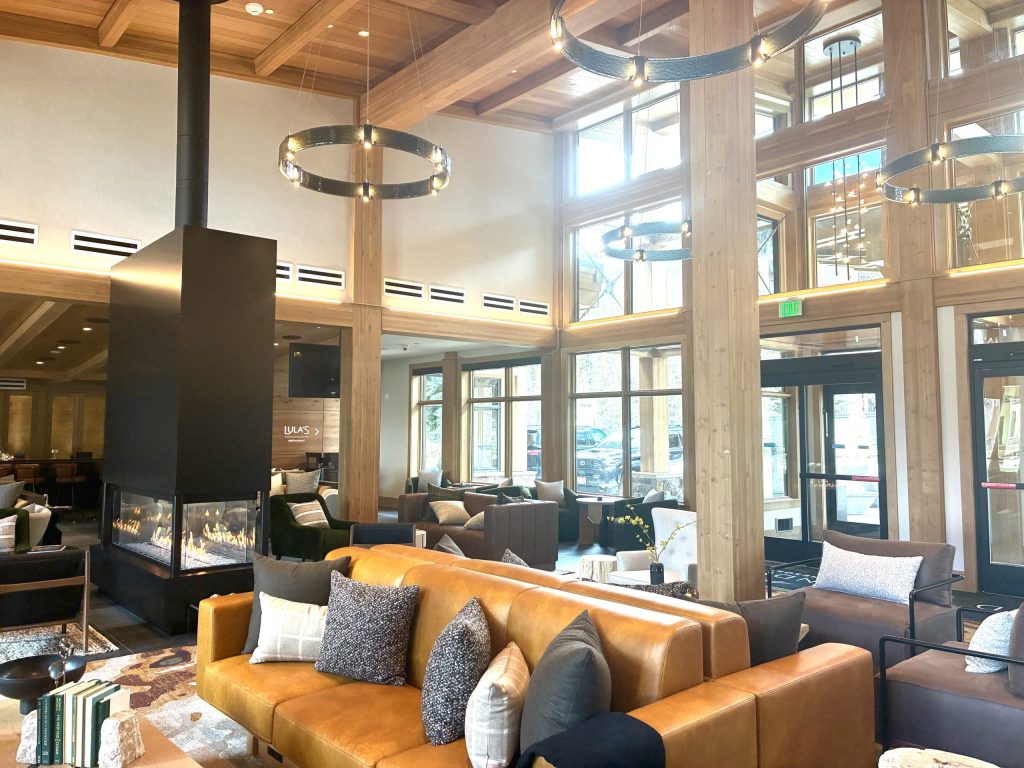
Guests entering the lobby are greeted by high wood-paneled ceilings, cozy seating areas and carpeting designed to resemble a topographical map of Keystone. A wall lined with windows opens to views of the patio, ski trails and surrounding wildlife. Metal and wood touches throughout the property are meant to resemble the feel of old mining towns — “well, a really fancy mine,” Dohner said.
Three 52-foot-tall towers comprising the resort — two for condos and one for the hotel — are intended to mimic the three mountain peaks featured in the Kindred logo.
At full operation, the resort will book out 107 hotel rooms managed by RockResorts, 95 private residences, a membership-only Alpine club, a spa and salon, fitness center and over 10,000 square feet of meeting and event space.
Dohner referred to the property as a “four-and-a-half-star hotel.” He said while Kindred is technically classified as a four-star resort based on its services, it intends to function like a five-star hotel.
The resort already employs around 100 staff members and Dohner expects that to grow to around 140 when fully operational.
“We’ve got a really good team here, and we’ve really had time to refine our staffing so that when guests are here we’re more than prepared,” Dohner said.
Delayed opening tied to environmental factors, finishing design touches
Dohner said those delays were driven largely by a desire to meet high standards rather than rush to open. Pointing to minor imperfections still being addressed during a recent tour of the property with Summit Daily News — like small chips in the paint down the first-floor hallways — Dohner said the team opted to take extra time.
“In a normal hotel, that would probably be acceptable, but we wanted it just right,” he said.
Construction challenges were also amplified by the resort’s high-Alpine location.
“When you’re building at 9,000 feet, things come up,” Dohner added.
The resort has gone through more than four developers since the land was acquired nearly 14 years ago. OZ Architecture, Kindred’s current developer, has remained with the project since 2024.
Despite the delays, Dohner said the project continues to generate strong demand. All but seven of the resort’s 95 residences have already been sold and early interest in bookings has been steady. Once the restaurants open, Dohner said he expects reservations to flood in.
The roughly $300 million development transformed what was once a dirt parking lot into what Dohner imagines as Keystone’s next central gathering space. The resort is opening almost three years after residents voted to approve the incorporation of Keystone as a home-rule town.
In the coming months, the resort will announce “sneak peek” opportunities for residents to view the amenities inside.
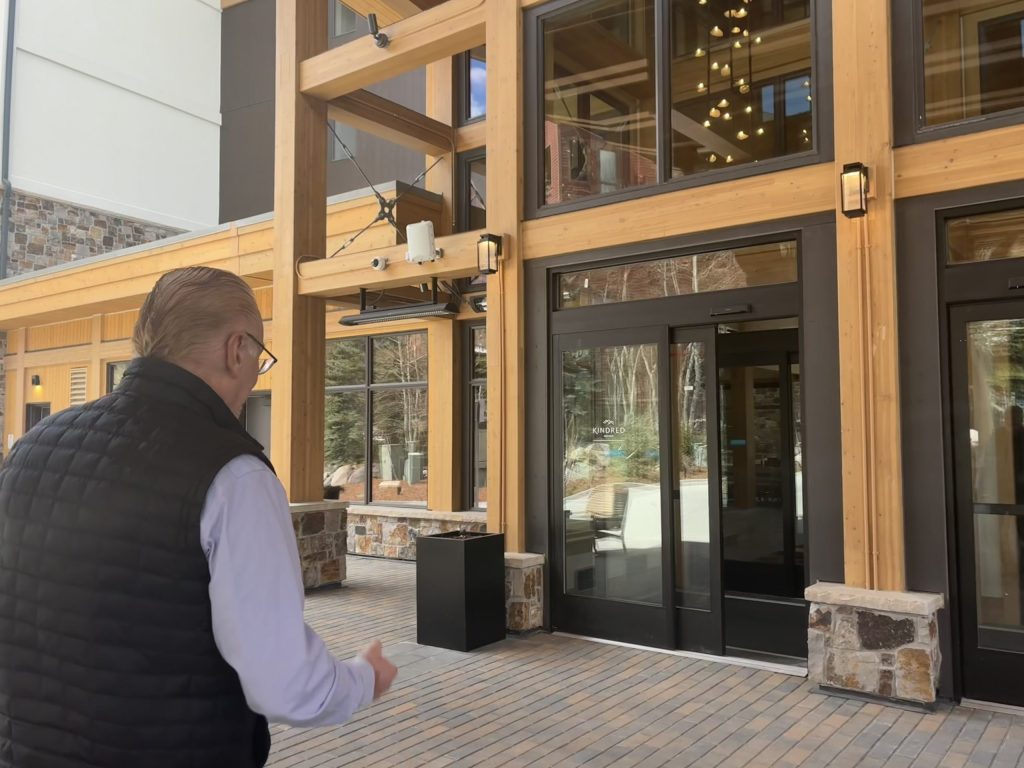
Dohner leads the way inside Kindred Resort’s front doors, where he said guests will be greeted by valet service and music. Allison Moore/Summit Daily News
The central lobby inside Kindred Resort features dozens of seating options, a fireplace and carpets designed to mirror the topography of Keystone. Kindred Spirits, the resort’s bar, will operate inside the lobby. Allison Moore/Summit Daily News
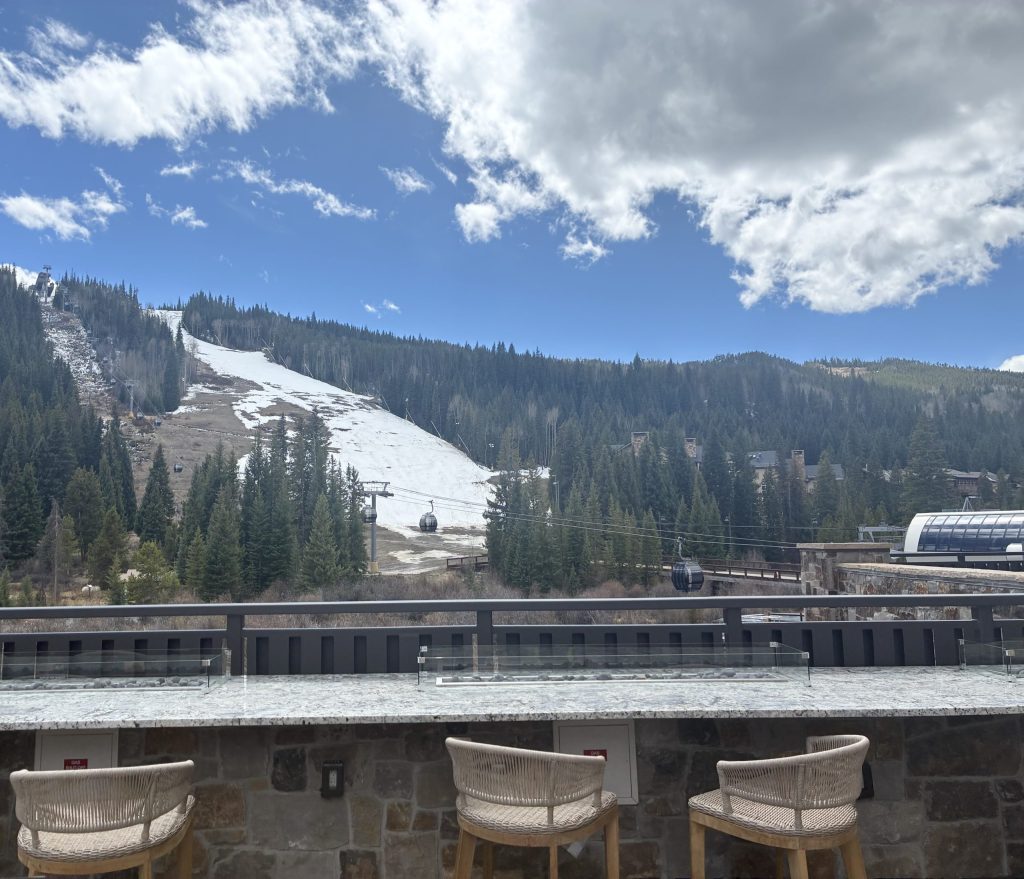
An elongated tabletop fire lights up along the resort’s back wall at night, giving the impression that “the hotel is on fire,” according to General Manager Don Dohner. Allison Moore/Summit Daily News
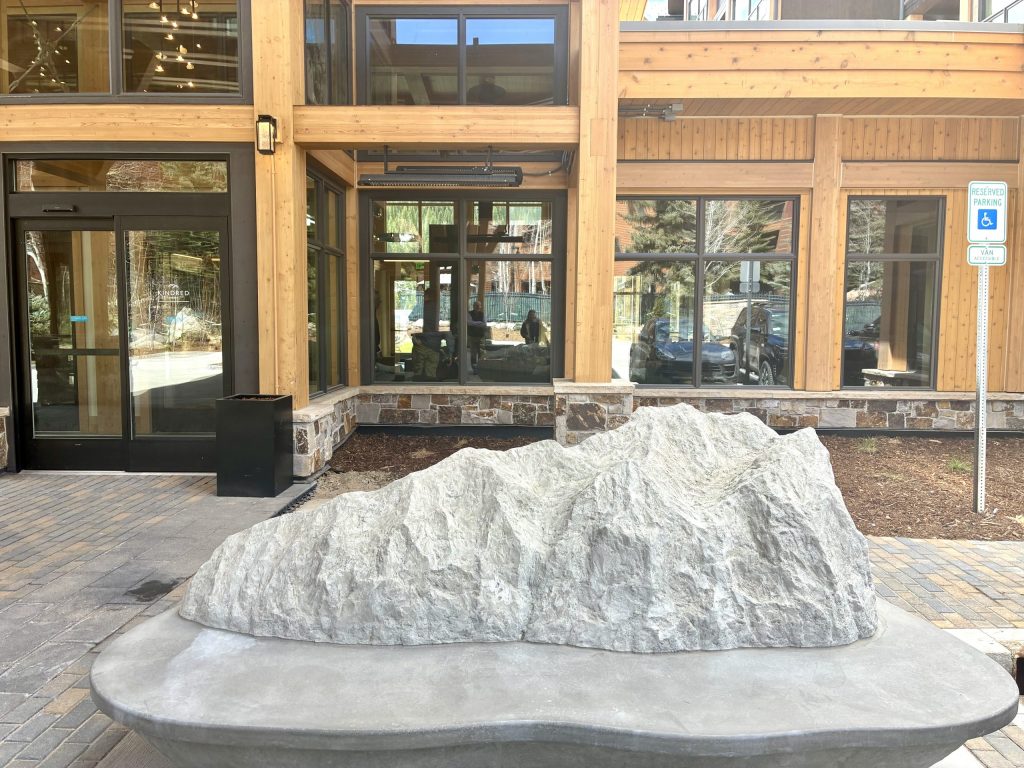
A handmade stone replica of the mountains behind Keystone Resort sits outside the lobby. Allison Moore/Summit Daily News
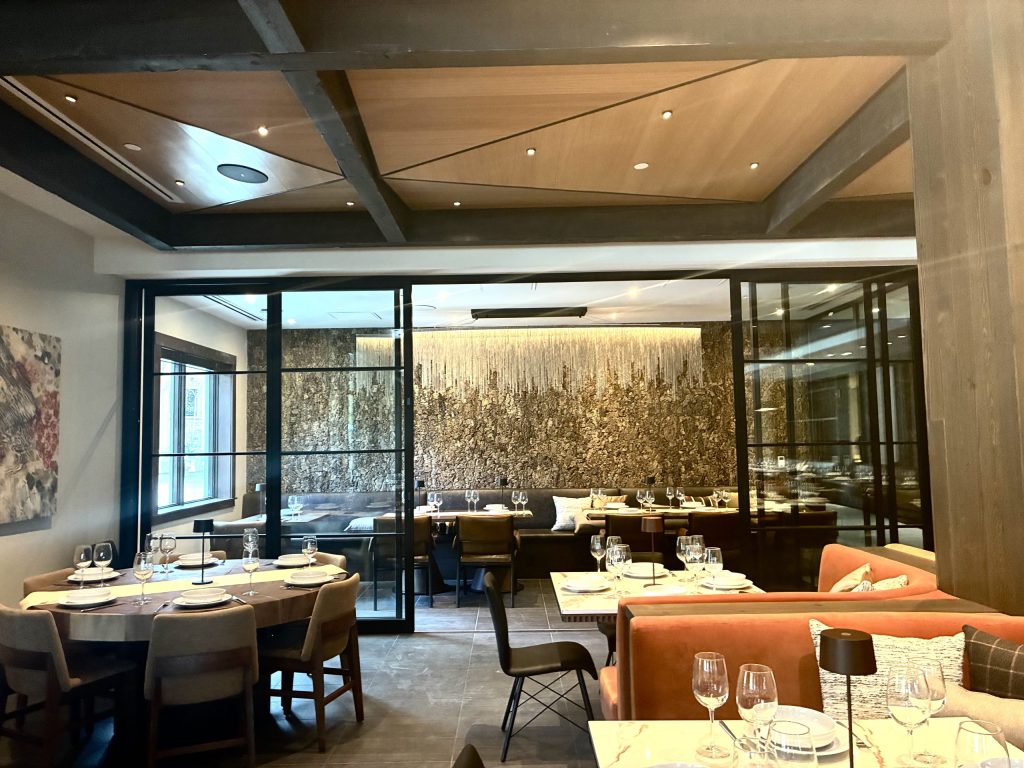
Lula’s Restaurant, housed inside Kindred Resort, features an elevated farm-to-table menu and a private dining area with a long chandelier that transforms into the silhouette of mountains at night. Allison Moore/Summit Daily News
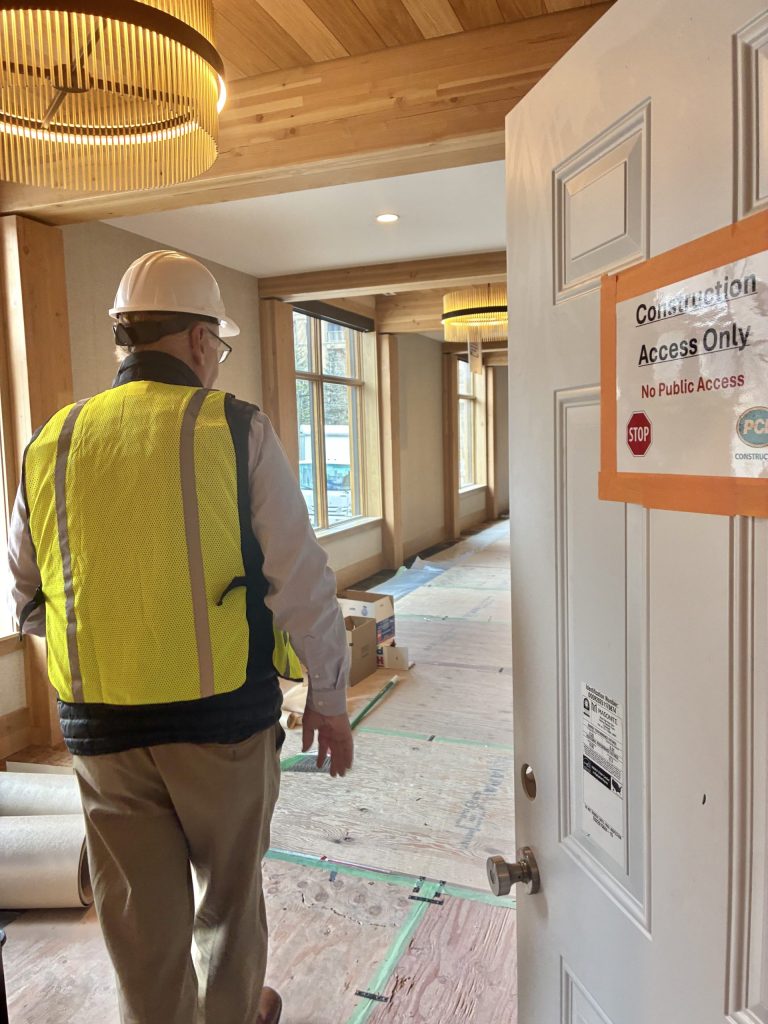
Dohner, the resort’s general manager, walks through one of the last remaining construction zones inside the hotel portion of Kindred Resort. Allison Moore/Summit Daily News
Inside a first-floor hotel room at Kindred Resort, pictured Thursday, April 16. Allison Moore/Summit Daily News
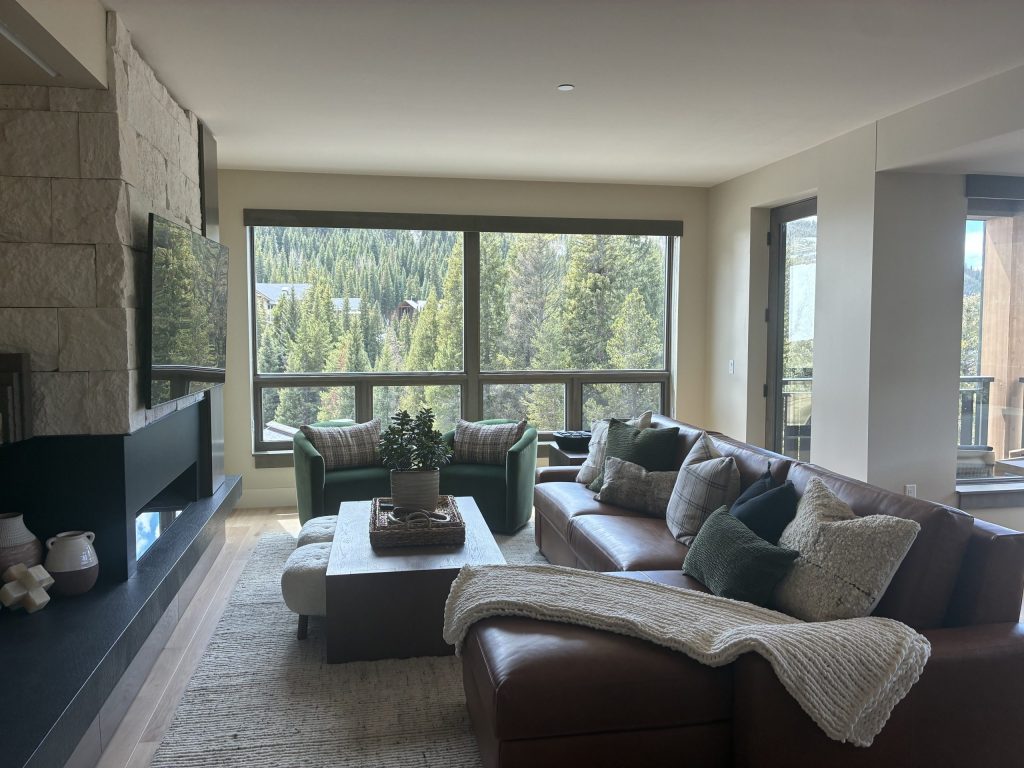
The interior of one of the last for-sale residential units inside Kindred Resort. Allison Moore/Summit Daily News
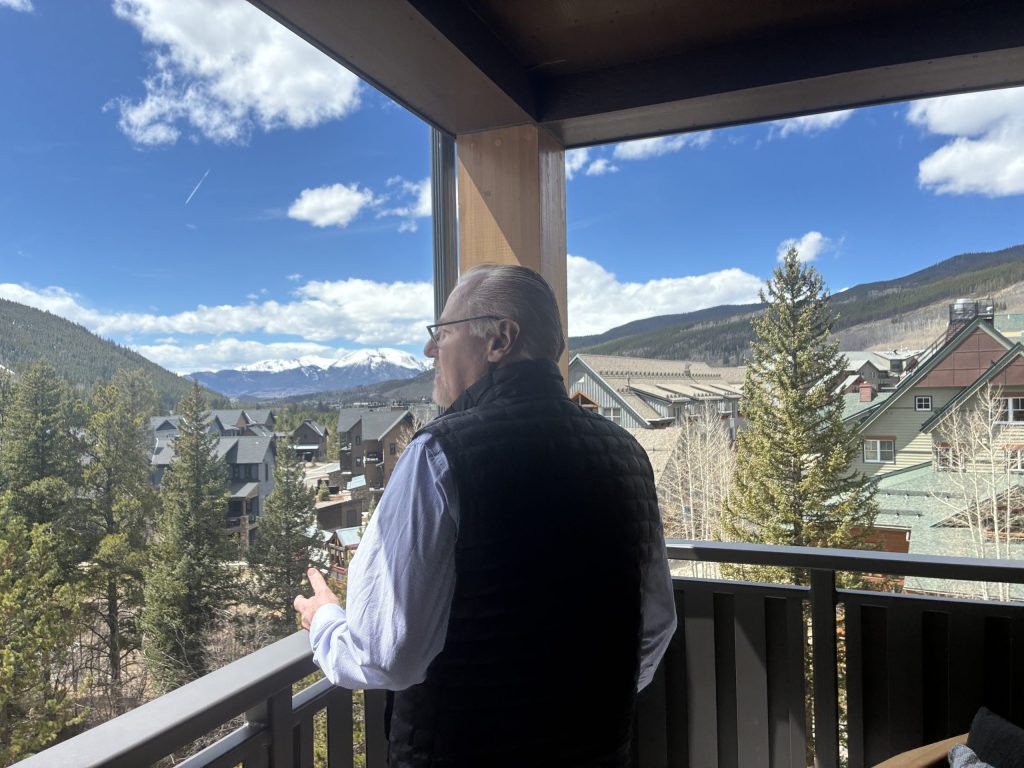
Dohner looks out on a third-floor balcony inside one of Kindred Resort’s few remaining vacant residential properties. He said he expects residents to make Kindred’s luxury condos their longtime homes. Allison Moore/Summit Daily News
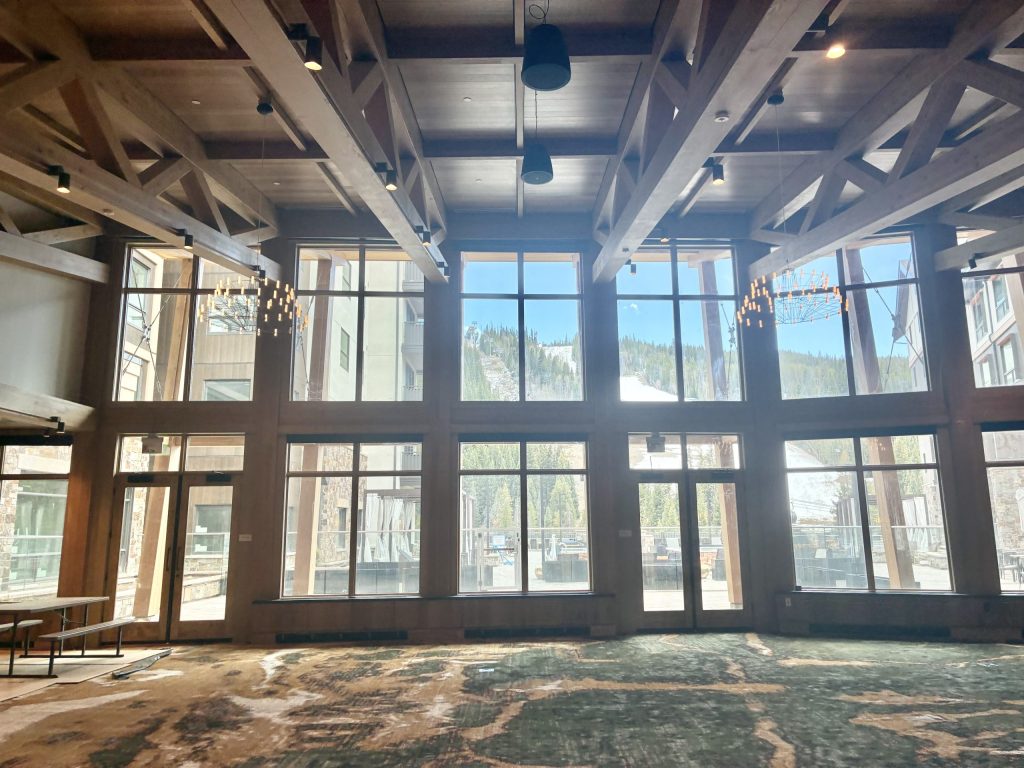
An expansive conference room — part of Kindred’s 6,000 square feet of events space — will serve as the central destination for wedding parties, company retreats and more. Allison Moore/Summit Daily News
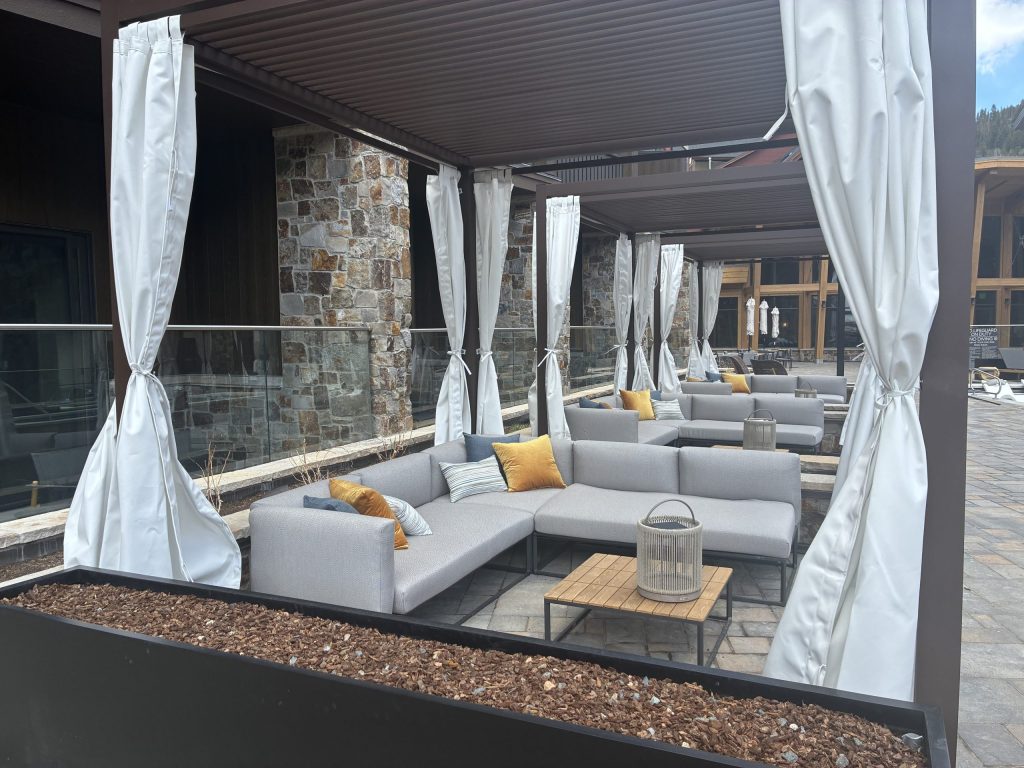
Both the hotel and residential areas of Kindred Resort feature pools, hot tubs and cabanas where spa treatments will later take place. Allison Moore/Summit Daily News
Dillon releases final tallies from April municipal election
The town of Dillon released the official results from its April 7municipal election. The results were finalized April 17 after accounting for uniformed and overseas citizen absentee votes and ballot signatures that needed verification. No results changed from the unofficial results.
Joshua Samuel won the mayoral race with 206 of 311 votes (66%) and will serve a four-year term. The three candidates who won Town Council seats — Shannon White, Linda Oliver and Benedict Raitano — will also serve four-year terms. White earned 218 votes, Oliver received 192 votes and Raitano got 184 votes.
Dillon proposed seven ballot questions to voters, and all but one passed. Ballot question A received 180 “yes” votes (58%), B received 207 (67%), C received 176 (59%), D received 164 (55%), E received 156 (53%) and F, the only question to fail, received 122 “yes” votes (41%).
Four of the questions, C through F, asked voters about amending the charter to allow the council to complete different actions via resolution rather than ordinance. Ballot Question G had to do with updating town charter language to align with state statute. Ballot questions A and B deal with Town Council meeting scheduling and where official notices are posted. Failed Ballot Question F would have allowed acts that place direct burdens upon or direct limitations on the use of private property to be done by resolution.
Out of 708 registered voters, 324 casted ballots.
Early Childhood Service Corps to host information session Friday
The Early Childhood Service Corps, which helps train older adults to volunteer in early childhood education centers, will host an informational session with Timberline Learning Center in Breckenridge.
The event will be Friday, April 24, from 6-7:30 p.m. at Timberline. Adults 50 and older can attend to learn more about the corps and the learning center.
The corps provides older adults with free training to be able to volunteer in classrooms or as business advisors at early childhood learning centers. It also provides more extensive training for older adults who want to become early childhood teacher substitutes.
Those with questions about the corps or the information session can email recruitment@earlychildhoodservicecorps.org.
Arapahoe Basin Ski Area announces 2025-26 season closing date
The last Summit County ski resort to announce its closing day, Arapahoe Basin Ski Area, will end its season Sunday, May 3, according to a news release.
The resort’s season will have lasted 194 days, which the release stated is the longest this season in Colorado, “even in a historically low snowpack year.” A-Basin was the second resort to open in Summit County this season after Keystone Resort announced its opening day-of to get ahead of A-Basin.
To celebrate its closing, A-Basin will offer $39 lift tickets starting Monday, April 27. It will also have beer specials at 6th Alley all weekend and live music May 2-3 with Moonstone Quill and Don Fuego playing Saturday and Sunday, respectively, from noon to 3 p.m.
The resort normally has several themed skiing days in May, including a swimwear day, a denim day and a Star Wars day on May 4. With the slopes closing earlier than normal, the release stated riders are invited to join “one giant party” on closing day.
A-Basin will tie Copper Mountain Resort for the latest closing in Summit County this year, as Copper, originally slated to close April 26, announced last week it has extended its season through May 3.
Polis signs bill cutting licensing barriers for out-of-state teachers
Colorado Gov. Jared Polis signed Senate Bill 126 on April 20, along with several other bipartisan bills, after it passed the House in early April.
The bill eases requirements and speeds up the process for out-of-state educators to acquire their Colorado teaching license through the Interstate Teacher Mobility Compact. Enacted in 2023, the compact is an existing agreement among 13 states that allows Colorado to recognize and transfer professional teaching licenses held in other states without the need for additional exams or coursework.
Under existing law, licensed educators from other compact states must have at least three years of successful teaching experience within the last seven years to be eligible for a professional teaching license in Colorado. Senate Bill 126 removes the requirement that the experience must be within the previous seven years, expanding eligibility for qualified educators who have taken a break from the workforce for a variety of reasons.
“The seven-year requirement does create barriers for our Colorado workforce, especially in rural areas, where we’re trying to recruit from out of state,” Rep. Dusty Johnson, a Fort Morgan Republican and bill sponsor, said during a March hearing of the bill. “They could be nine years out, but they still have all the credentials and everything else our teachers need, and we would love to have them in our schools.”
The bill also requires the Colorado Department of Education to issue an initial teacher license to an educator licensed by a compact state within 30 days of receiving a complete application. Both provisions are especially beneficial to rural mountain districts, which face significant challenges to hiring like geography, cost of living and limited housing availability amid ongoing educator shortages.
“Our schools are struggling to fill teaching positions. The reasons our workforce challenges are many include low pay, heavy workloads and competition from neighboring states,” Johnson said during the hearing. “While there is no silver bullet to solve these problems, this bill is a small step to helping fill that void by expediting licensure for experienced out-of-state teachers.”
Although the Interstate Teacher Mobility Compact was enacted three years ago, states are still working to finalize the rules, meaning school districts have yet to feel the benefits.
Senate Bill 126 will go into effect in August 2026.
Colorado transportation officials plan to use express lane tolls to fund Bustang’s $25 million shortfall — but on I-70 that money won’t be enough
Colorado transportation officials plan to use toll revenues collected on interstates 25 and 70 to support the state’s popular Bustang bus service as they scramble to close a roughly $25 million annual deficit.
Colorado Department of Transportation Executive Director Shoshana Lew laid out the long-term funding plan, which keeps the money tied to the bus services on the interstate from which the tolls were collected, during a joint work session last week with the state’s Transportation Commission and Transportation Investment Office.
“We must — in a more constrained fiscal environment — chart a path forward to continue funding these important statewide transit routes at frequency, service levels and quality that can compete for riders’ demand,” Lew wrote in a letter to the two transportation entities. “This is a top priority for our team.”
Bustang offers three main lines: The North and South lines on I-25 and the West Line between Denver and Grand Junction on I-70. It also includes the Outrider service that connects rural areas to the larger bus system, Snowstang, which brings skiers from Denver to four mountains, and Pegasus, a faster shuttle-van option on I-70.
Ridership on the bus service has doubled in the past three years to more than 350,000 bus trips annually, according to the state transportation department. But, in February, officials told the Colorado Transportation Commission, which oversees CDOT’s budget, that state and federal funding that allowed the Bustang program to expand over the past few years would run out by July, leaving the program with an annual deficit of $25-35 million.
While the toll revenues are part of the long-term solution for Bustang, Lew said additional funding will have to be identified to support the I-70 West Line, and officials will continue to have to move money around to prop up the bus service in the short-term.
“The Bustang family of services provides vital connections across the state, standing out as a national model of success for interregional transit,” she said. “… The frequency and reliability that we have added in recent years make it a service that Coloradans can turn to as an additional choice for travel.”
Tolls wouldn’t cover all of I-70 West Line costs
The only tolls on I-70 and I-25 in Colorado are express lanes that give drivers “the choice of a more reliable trip” by paying a toll, according to the state transportation department. The I-70 Mountain Express Lanes from Idaho Springs to Empire cost between about $6 and $18 when they’re open during peak travel periods.
Lew said that state law allows for toll revenues to be used for bus services. While toll revenues collected on I-25 would cover the bus service there without impacting the region’s 10-year plan for capital projects, she said additional sources of funding will have to be identified on I-70, where Bustang is more expensive to operate.
“Our recommendation is … we be strategic about investing excess toll revenues in running the North and South lines along the I-25 corridor,” Lew said. “Then, focus on the (I-70) West Line with other revenues, including toll revenues but also other sources that we will need to continue working through over the next couple months.”
Lew said that the transportation department explored whether there would be support for a legislative change to allow toll revenues collected on I-25 to help fund Bustang operations on I-70 “that serve an overlapping user base.” However, she said that “such a change would generate significant consternation among I-25 partners in particular,” so the plan is to keep funds linked to the interstate on which they were collected.
Paul DeRocher, the director of CDOT’s division of transit and rail, explained that I-70 West Line is the most expensive of the Bustang services, due to the distance that the line covers and the 15 daily round-trips that it offers. While the I-25 North and South lines each cost about $6 million to run, he said the I-70 West Line costs roughly $23 million.
Lew wrote in her letter that officials will have to “seriously explore” moving Bustang operations to the Colorado Transportation Investment Office “to better align business functions with use of toll revenues as a significant funding source.”
The Colorado Transportation Investment Office is an independent, government-owned business within the transportation department with a legal responsibility to seek out means for financing transportation infrastructure projects in the state, according to the CDOT website. It operates and manages the state’s express lanes.
Transit officials to continue exploring short-term funding options
During its meeting on Friday, the Colorado Transportation Commission also unanimously approved a budget amendment to reallocate about $16 million in funding to help support the Bustang program in the upcoming fiscal year, which starts July 1.
DeRocher said that the reallocated funding includes about $12 million from the transportation department’s Innovative Mobility Program and about $4 million from the Congestion Mitigation and Air Quality funds. The transportation department expects to request another $2 million in air quality funds for Bustang during the next fiscal year, which he said will get the program within “striking distance” of the funding it needs.
After those reallocations, Bustang program remains about $7 million short in fiscal year 2027, DeRocher said. He said that the transportation department has several options to close that gap, including service optimizations, deferral of capital costs such as new buses, or allocation of transportation commission reserved funds.
Relative of man arrested on sexual assault of a minor charges expresses concern about plea deal ahead of plea sentencing hearing
A man arrested in April 2025 on seven charges related to sexual assault of a child will appear in court April 27 for a plea sentencing hearing.
Silverthorne Police arrested Adam Dayer LeBaron, 49, on April 14, 2025, according to court records. The 5th Judicial District Attorney’s Office later that month brought seven felony charges against LeBaron — one count of sexual assault, three counts of sexual assault of a child by someone in a position of trust and three counts of sexual assault of a child by someone in a position of trust as part of a pattern of abuse.
Court records show LeBaron posted a $40,000 surety bond after his arrest and that the conditions of his release on bond included GPS monitoring. At a March 23 hearing, the prosecution and defense informed 5th Judicial District Judge Reed Owens that they had reached a plea agreement and asked for more time to complete paperwork, according to court records.
Joanna Ray, who wrote in an email that she is LeBaron’s sister-in-law, expressed concerns about LeBaron’s case ending with a plea agreement. She wrote that a plea agreement could lead to LeBaron receiving a lighter sentence.
As of April 21, no plea agreement had been filed with the court, according to court clerks.
Law enforcement’s investigation into the charges against LeBaron started in January 2023. Members of a fundamentalist Mormon sect in Mexico reported LeBaron had sexually abused a child in their family, according to an arrest affidavit. They also told police LeBaron spends time in Mexico and Silverthorne and has two wives, who were both pregnant in Silverthorne in August 2022.
The reporting parties stated relatives of the pregnant women came from Mexico to Silverthorne to help them with their pregnancies, according to the affidavit. While the relatives were in Summit County, according to what the reporting parties told police, LeBaron sexually assaulted one of them who was a minor.
Police interviewed the victim of that assault, and a summary of the interview in the affidavit stated the victim told police LeBaron had assaulted them previously when they were in Mexico.
The affidavit stated that several people, in separate interviews with law enforcement, said LeBaron had been sexually assaulting children in Mexico for as many as 10 years, but his actions came to light in January 2023, when one of the victims told family members about his actions and other victims followed suit.
LeBaron fled Mexico with his wives and children after victims started talking about his actions, according to what several parties in the affidavit told law enforcement.
The affidavit indicates three victims told law enforcement LeBaron had assaulted them in Silverthorne and Mexico. It stated that the charges of sexual assault as part of a pattern of abuse come from LeBaron committing sexual assault “numerous times with more than one child.”
The April 27 plea sentencing hearing is scheduled for 2 p.m. in Judge Owens’ courtroom.