Medicaid and SNAP are set for an overhaul. Colorado counties and lawmakers are wondering how to respond.
New eligibility requirements under the One Big Beautiful Bill Act will create administrative headaches for counties. Lawmakers are exploring a legislative solution.

Robert Tann Follow
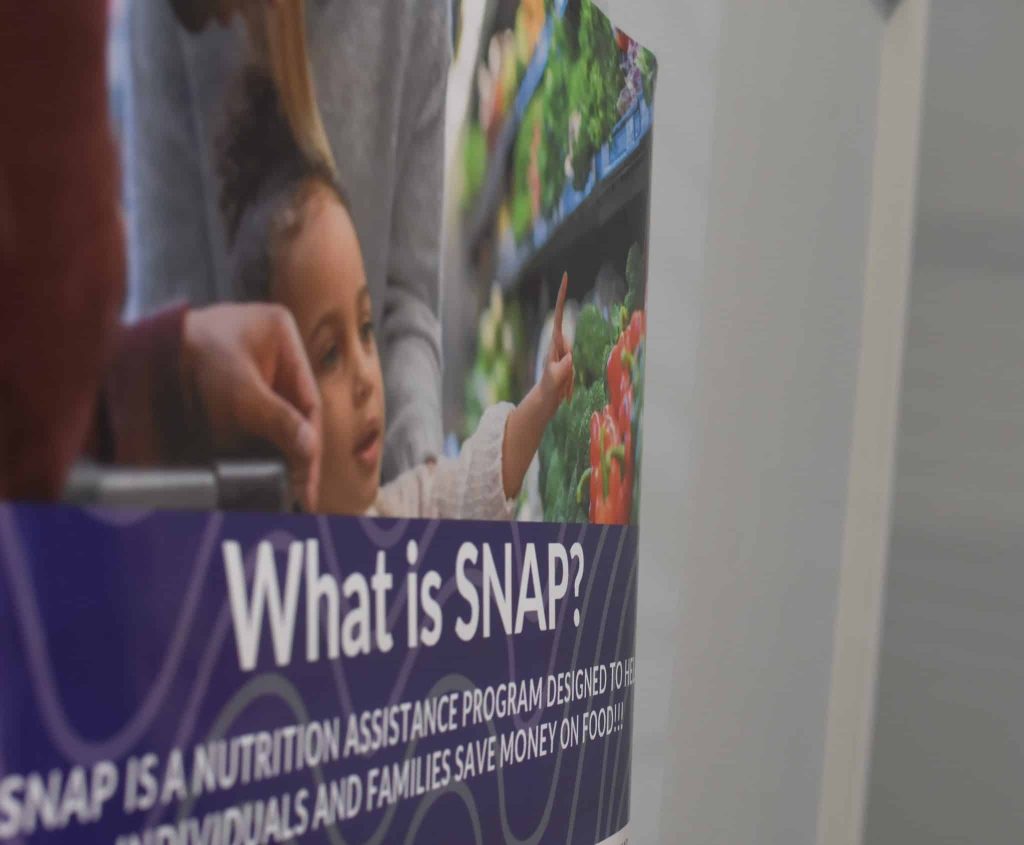
Robert Tann/Summit Daily News
With major changes coming to the country’s social safety net system, Colorado counties are bracing for heavier caseloads and federal funding cuts.
Under the sprawling tax and spending law passed last summer by congressional Republicans, which President Donald Trump coined the One Big Beautiful Bill Act, states could be on the hook for hundreds of millions of dollars as they race to implement new eligibility requirements for Medicaid and the Supplemental Nutrition Assistance Program, or SNAP.
States will now have to reverify Medicaid eligibility twice per year, rather than annually, and ensure enrollees comply with new work requirements for Medicaid and SNAP.
Colorado is one of a handful of states that administer those programs at the county level. With some changes set to take effect next year, that’s likely to mean a heavier workload with “really extreme consequences for not doing it right,” said Kelly Flenniken, executive director for Colorado Counties, Inc.
“Counties are very worried, and they’re worried about it from several perspectives,” said Flenniken, whose organization represents all 64 of the state’s counties.
Flenniken said ensuring eligible people can stay enrolled in Medicaid and SNAP, while dealing with the increased paperwork and staff hours required to comply with the new federal rules, is a chief concern for county officials.
An estimated 377,000 Coloradans could lose Medicaid coverage, and nearly 300,000 could lose SNAP benefits, as a result of new work requirements and administrative burdens. The state projects that counties may need to double their number of Medicaid case managers, which would mean an additional 3,700 new staffers statewide. Yet many local governments are already struggling with tight budget environments.
It’s why Colorado lawmakers are eyeing a plan to consolidate some county-level health and human services operations, which they say could help alleviate stressors on local governments.
“How can we make the system more responsive and more effective and also more efficient?” said Sen. Judy Amabile, D-Boulder, who’s been working with other lawmakers on potential legislation to streamline how counties administer social programs.
A bill has yet to be introduced, but the legislature’s Joint Budget Committee, which Amabile sits on alongside five other lawmakers, has set aside a little over $3 million to fund such an effort in the next fiscal year’s budget, which starts on July 1.
Specifics are still being hashed out with county leaders, who initially voiced trepidation with some of lawmakers’ earlier ideas, including regionalizing human services departments, wherein one county would oversee social programs for multiple counties in a given region.
Some county leaders felt that would be too disruptive to the current process. They also raised concerns about taking autonomy away from other counties that administer those services.
“County systems are very good about serving people where they are,” said Summit County Commissioner Tamara Pogue, who’s part of a group negotiating with lawmakers on the potential legislation. “Particularly for folks in rural areas, having a human service office that you can go into and get help when you need it, where you need it, is ideal.”

Ideas have since shifted to focus more on streamlining existing services, though Pogue said there could still be ways to centralize some operations, such as training for health and human services staff.
One key area counties and lawmakers seem to agree on is updating the state’s benefit management system, which, while a state platform, is administered by each county. Pogue described the system as “very difficult,” adding that it “often takes years for (county technicians) to understand how to use the system without creating errors.”
That’s an issue that’s sure to take on new urgency as states deal with the changes under federal Republicans’ tax and spending law. In addition to shifting more of SNAP’s administrative costs to states, which could cost Colorado an additional $50 million annually, the law cuts federal funding from states with higher SNAP payment error rates starting next fall.
As of fiscal year 2024, Colorado’s error rate was just under 10%. That means the state would be on the hook for 10% of SNAP’s costs, which would result in a loss of $130 million in federal funds, according to an analysis by the Colorado Fiscal Institute.
Pogue said even without the new federal changes, counties’ health and human services departments were already stressed due to a lack of sufficient state funding to administer social programs. She said her county discussed hiring more staff to deal with the increased workload from Republicans’ tax and spending law, but budget constraints mean “there’s no more money to pay for those employees.”
“How do you do more with less? That’s the question that we’re all wrestling with right now,” Pogue said.
While Pogue said the work to ratchet down Colorado’s error rate “has already started,” efforts to overhaul how counties deliver social programs will need to be a longer-term process.
“I think it’s very important that we not rush that conversation,” Pogue said. “That is the conversation that we need to make sure that we’re doing right so that we don’t have any unintended consequences as a result.”
As lawmakers and counties continue to negotiate the details of a forthcoming bill, both want to ensure that those who are eligible for benefit programs don’t fall through the cracks.
“That’s a big challenge,” Amabile said. “We have to keep doing what we’re doing while we make some changes. Things will have to run in parallel for a bit, and you have to have everybody bought in.”
Flenniken said a shared commitment to protecting enrollees is crucial to keeping negotiations on the proposed bill on track.
“Nobody wants to see penalties come. Nobody wants to see people going without the benefits that they need,” Flenniken said.

Support Local Journalism
Support Local Journalism
As a Summit Daily News reader, you make our work possible.
Summit Daily is embarking on a multiyear project to digitize its archives going back to 1989 and make them available to the public in partnership with the Colorado Historic Newspapers Collection. The full project is expected to cost about $165,000. All donations made in 2023 will go directly toward this project.
Every contribution, no matter the size, will make a difference.