Summit County invests in Breckenridge History’s mining restoration projects that will preserve and fix up old sites
Breckenridge History/Courtesy photo
Representatives from Breckenridge History presented at the Summit Board of County Commissioners work session April 14, telling the commissioners about their plans for restoration work at five sites this year. The commissioners approved a $23,000 contribution to the projects that will come from the county’s open space fund.
Work at the sites could start this summer, Breckenridge History executive director Larissa O’Neil said. She told the board that the projects look to preserve historic features like cabins and add interpretive signs to educate visitors about the history of the sites.
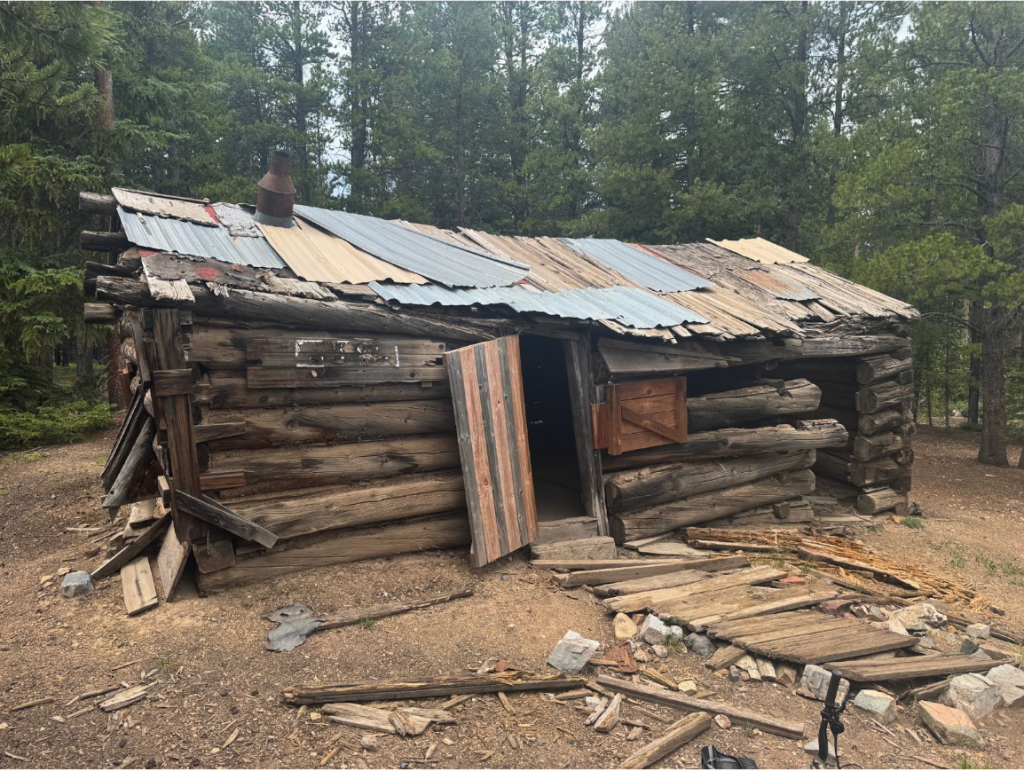
The first project O’Neil discussed involves the Mountain Pride Mine, a short-lived 1890s mine on Bald Mountain that has a “slew of structures,” she said. The work this summer will focus on one cabin that has issues with its structural integrity and the ground underneath it sinking. Breckenridge History will restore the cabin to its 1890s state.
“We also have a couple more (Mountain Pride cabins) that have had some alterations in modern times,” O’Neil said. “We’re also looking at doing some work in future years to honor the 1980s alterations and focus on different eras of history.”
Other future projects at Mountain Pride include adding walkways between cabins and interpretive signage, O’Neil said.

About a half-mile from the Mountain Pride Mine sits the Laurium Mine Mill, where O’Neil said Breckenridge History worked on a boarding house and blacksmith shop last summer. This year, the group plans to reerect timbers from the original mill structure to give visitors a better understanding of its scale and form.
“It doesn’t look very impressive,” O’Neil said of a photo of the mill today. “I can assure you those timbers are pretty sizable.”
The next project O’Neil discussed will look to stabilize the One Step Over cabin on Prospect Road. She said the cabin is “pretty funky,” and the restoration work would not aim to change that characteristic.

At the Extension Mill near the Preston townsite in Gold Run Gulch, Breckenridge History plans to remove some trees to make the Portland Filter more visible. O’Neil said the filter acted like a centrifuge and was used to dry ore concentrate. A memo from the nonprofit stated the filter is a “significant surviving feature” of the mill, which is largely collapsed. The project will also add signage explaining the filter to visitors.
“It’s a unique feature that doesn’t exist anywhere else,” O’Neil said. “It would be a very small project, just to clear out some trees, interpret it, kind of preserve what’s still there.”
Those four projects cost about $100,000 total, O’Neil said. The last project — the Arctic Stamp Mill Battery — costs around $130,000 on its own, but she said it is unlikely to happen this year.

A stamp mill crushes material by pounding it, and the Arctic Mill’s battery is a group of several crushers, or stamps. O’Neil said the project will move the battery to the Gold Run Road because its current site is difficult to access. It will sit in front of the Jessie Mill, which used a similar sort of machinery and is also not accessible to the public.
“The tricky part is the land ownership,” O’Neil said. “We believe it’s on Colorado Springs Utilities land. They would be happy to see this resource not be on their land. They don’t want the public coming and creeping around it.”
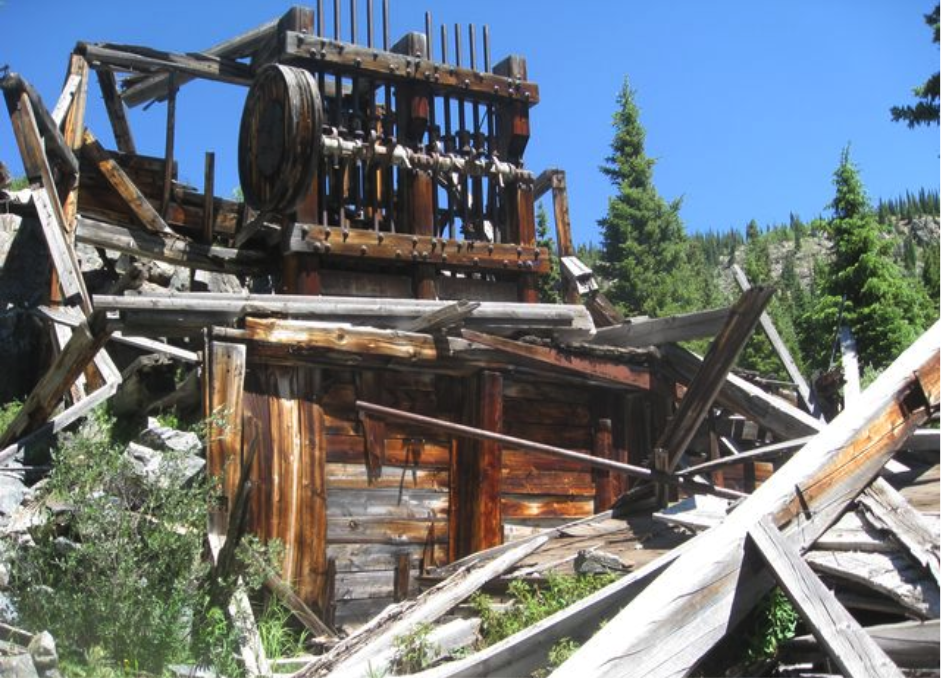
The battery is close to U.S. Forest Service land, though, and O’Neil said a Forest Service is conducting a survey in the area that will determine what land the battery is on. If it is on Forest Service land, the permitting process to move it will be more complicated, according to O’Neil.
“I think it’s unlikely that we’re going to be able to do this in 2026 because of the complexities around land ownership,” O’Neil said. “I wanted to still share it with you all today and let you know that it’s something we’re looking at.”
Katherine King, the county open space and trails director, said the Open Space Advisory Council supported Breckenridge History’s plans and suggested contributing open space funds. King said the nonprofit’s ask of $23,000, or 10% of the total cost of the five projects, is “pretty consistent with what we’ve done in the past.”
The commissioners gave direction to contribute the requested money from the open space fund.

Support Local Journalism
Support Local Journalism
As a Summit Daily News reader, you make our work possible.
Summit Daily is embarking on a multiyear project to digitize its archives going back to 1989 and make them available to the public in partnership with the Colorado Historic Newspapers Collection. The full project is expected to cost about $165,000. All donations made in 2023 will go directly toward this project.
Every contribution, no matter the size, will make a difference.